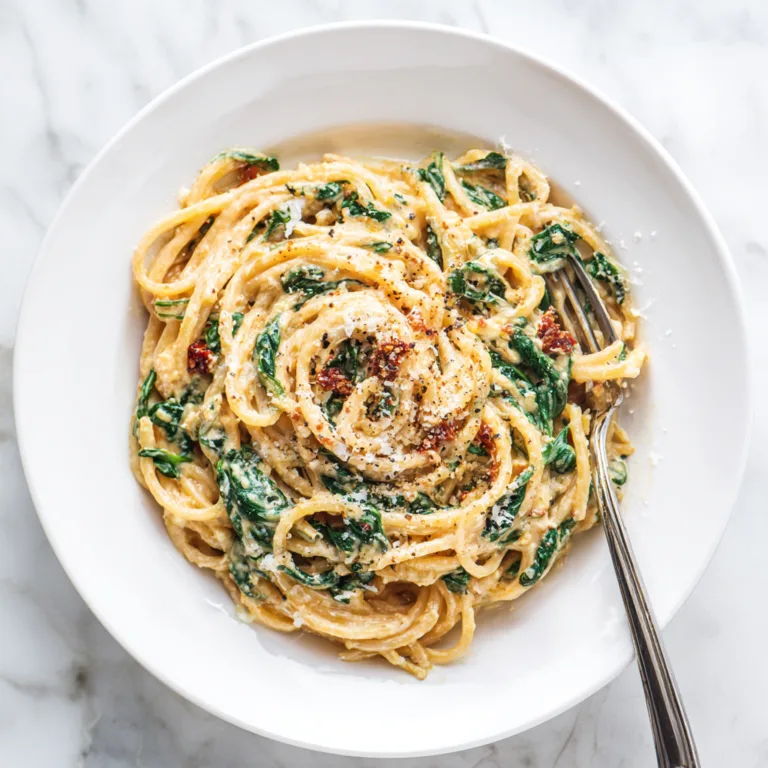
Apple Cider Braised Pork Shoulder: A Cozy Fall Dinner to Remember
There’s something truly magical about the first cool breeze of autumn — the time when we trade iced drinks for steaming mugs, and light summer salads for hearty, soul-warming meals. One dish that perfectly captures the cozy essence of fall is Apple Cider Braised Pork Shoulder. It’s tender, juicy, and infused with the sweet-tart depth of apple cider, herbs, and caramelized onions. This slow-braised masterpiece is the kind of meal that fills your home with an irresistible aroma and brings everyone to the table.
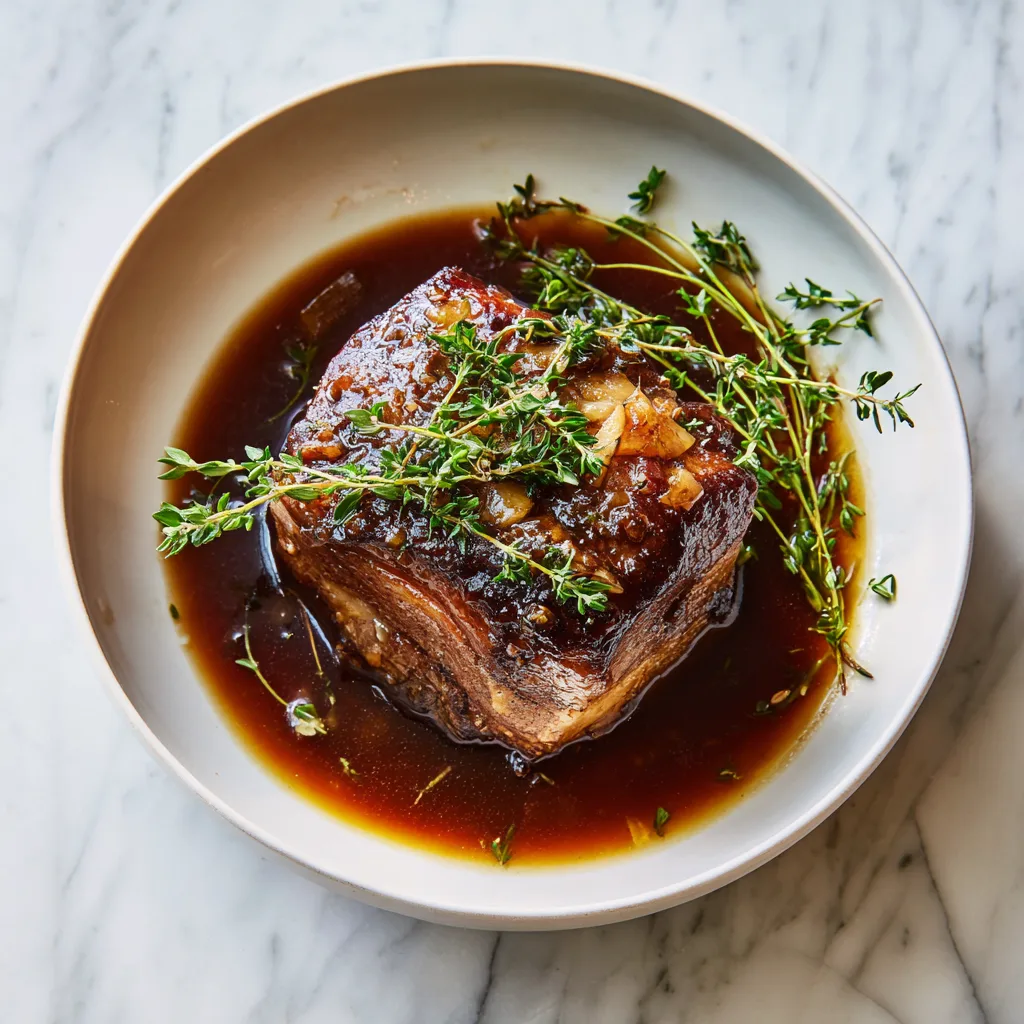
Whether you’re planning a Sunday family dinner, hosting a small gathering, or simply craving comfort food, this recipe checks every box. Braising — a combination of searing and slow-cooking — is one of the oldest cooking techniques known to man. It transforms tough cuts like pork shoulder into fork-tender, flavorful perfection.
Let’s dive into how you can make this show-stopping dish right in your own kitchen.
Why You’ll Love This Recipe
- Incredible Flavor: The apple cider lends a gentle sweetness that pairs beautifully with savory pork and aromatic herbs.
- Minimal Effort: Once everything’s in the pot, the oven does the heavy lifting.
- Make-Ahead Friendly: It reheats beautifully, making it perfect for meal prep or entertaining.
- Versatile: Serve it over mashed potatoes, creamy polenta, or even crusty bread to soak up that flavorful sauce.
Ingredients
For the Braise:
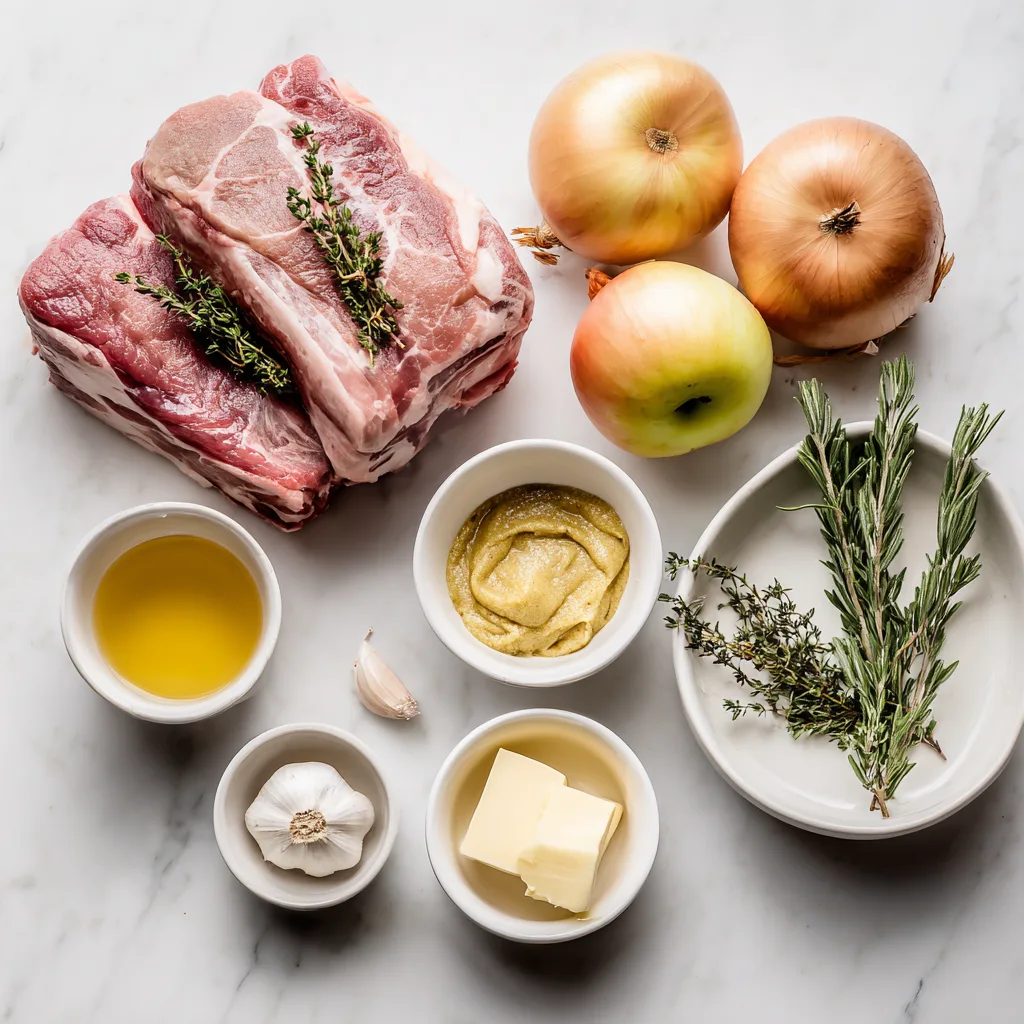
- 3–4 lb pork shoulder (bone-in or boneless)
- Salt and black pepper, to taste
- 2 tbsp olive oil
- 2 tbsp butter
- 2 large onions, thinly sliced
- 4 garlic cloves, minced
- 2 cups apple cider (non-alcoholic or hard cider if preferred)
- 1 cup chicken broth
- 2 tbsp Dijon mustard
- 2 tbsp apple cider vinegar
- 2 bay leaves
- 4 sprigs fresh thyme
- 2 sprigs rosemary
- 1 tsp smoked paprika
- 1 tbsp brown sugar (optional, for added sweetness)
For Serving:
- Mashed potatoes, roasted vegetables, or buttery noodles
- Fresh herbs for garnish
Instructions
- Prepare the Pork Shoulder
Pat the pork shoulder dry with paper towels. Season generously with salt, black pepper, and smoked paprika on all sides. - Sear for Deep Flavor
Heat olive oil and butter in a large Dutch oven over medium-high heat. Sear the pork on all sides until golden brown, about 3–4 minutes per side. Remove the pork and set aside. - Sauté the Aromatics
In the same pot, add onions and cook until caramelized and soft, about 8 minutes. Stir in the minced garlic and cook for 1 minute until fragrant. - Deglaze with Cider
Pour in the apple cider to deglaze the pot, scraping up any browned bits from the bottom. This is where the flavor magic starts! - Add Remaining Ingredients
Stir in the chicken broth, Dijon mustard, apple cider vinegar, brown sugar, bay leaves, thyme, and rosemary. Mix well. - Return the Pork
Nestle the seared pork shoulder back into the pot, ensuring it’s partially submerged in the liquid. - Braise Low and Slow
Cover with a lid and transfer the Dutch oven to a preheated oven at 325°F (165°C). Cook for 3–3½ hours, turning the pork halfway through, until fork-tender. - Reduce the Sauce
Remove the pork and set it on a platter. Discard bay leaves and herb stems. Simmer the remaining liquid on the stovetop for 10–15 minutes until it thickens slightly into a rich sauce. - Serve and Enjoy
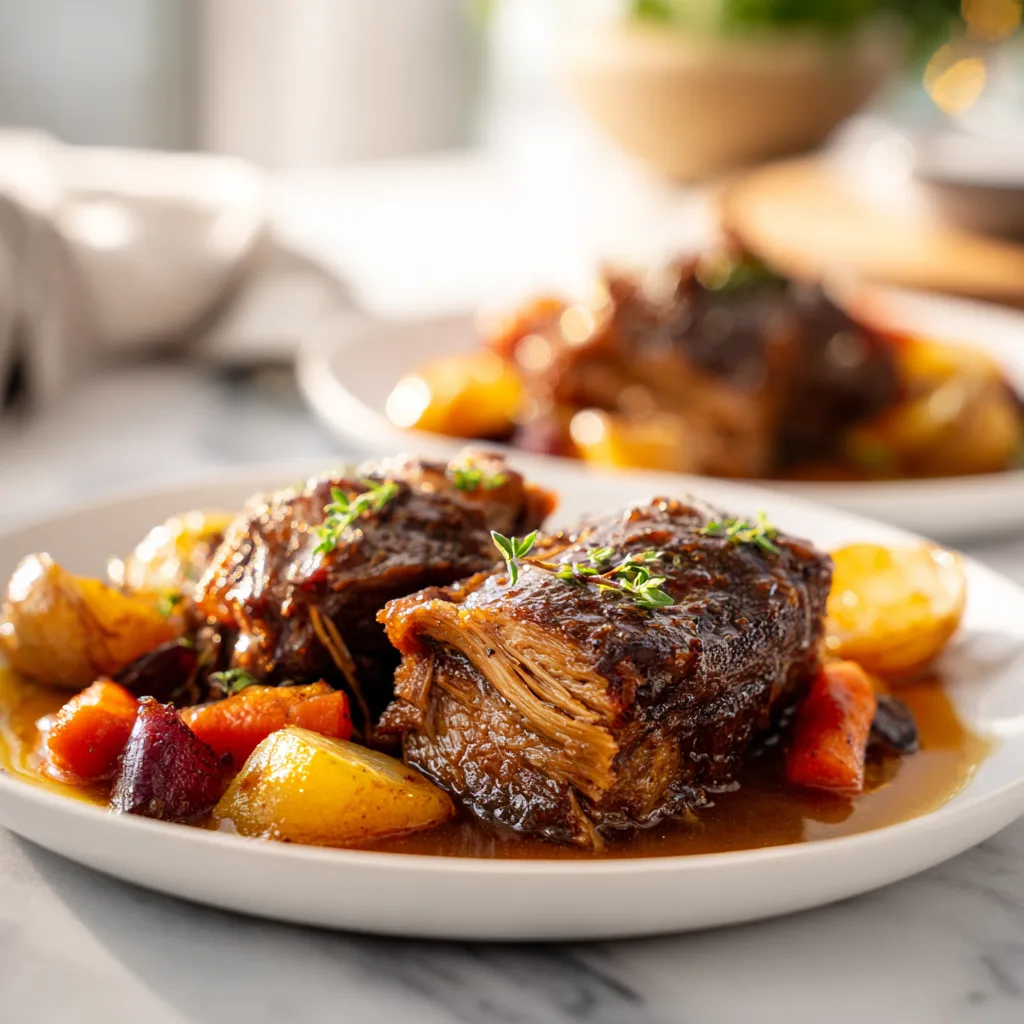
Shred or slice the pork, spoon over the apple cider sauce, and serve with your favorite sides.
Apple Cider Braised Pork Shoulder
Ingredients
Equipment
Method
- Preheat oven to 325°F (165°C).
- Season pork shoulder with salt, pepper, and smoked paprika.
- Sear pork in olive oil and butter until browned on all sides, then set aside.
- Sauté onions until caramelized, add garlic and cook briefly.
- Deglaze with apple cider, scraping up browned bits.
- Add broth, mustard, vinegar, herbs, and pork back into pot.
- Cover and braise 3–3½ hours until fork-tender.
- Remove pork and reduce sauce for 10–15 minutes before serving.
Notes
Chef’s Tips for Perfect Braised Pork Shoulder
- Choose the Right Cut: Pork shoulder (also known as pork butt) has enough fat and connective tissue to stay moist and flavorful after hours of braising.
- Sear First: Don’t skip this step — it develops that deep, caramelized crust essential for flavor.
- Use Quality Cider: A crisp, non-sweet apple cider enhances the natural sweetness of the pork without overpowering it.
- Let It Rest: After braising, allow the pork to rest for 10–15 minutes before shredding to lock in the juices.
Delicious Serving Suggestions
- Classic Comfort: Serve over buttery mashed potatoes or creamy polenta to soak up the cider-infused gravy.
- Rustic Style: Pair with roasted root vegetables like carrots, parsnips, and Brussels sprouts for an earthy fall dinner.
- Sandwich Lovers’ Dream: Shred leftovers and pile them onto toasted brioche buns with a smear of Dijon and slaw for incredible pulled pork sandwiches.
- Lighter Option: Serve over quinoa or cauliflower mash for a gluten-free, low-carb version.
Variations to Try
- Spiced Cider Braised Pork: Add a cinnamon stick, star anise, and a touch of maple syrup for a festive twist.
- Hard Cider Upgrade: Substitute regular apple cider with hard cider for an adult-friendly depth of flavor.
- Apple-Pear Combo: Replace half the cider with pear juice for a fruity, fragrant variation.
- Cider Cream Sauce: Stir a splash of cream into the sauce at the end for a richer finish.
Make-Ahead and Storage Tips
This dish actually tastes better the next day as the flavors continue to deepen.
- To Store: Cool completely, then refrigerate in an airtight container for up to 4 days.
- To Reheat: Warm gently on the stovetop or in a 325°F oven until heated through.
- To Freeze: Freeze in portions with sauce for up to 3 months. Thaw overnight in the fridge before reheating.
Fun Fact: The History of Braising
Braising dates back centuries and was originally a way to make inexpensive cuts of meat tender and flavorful. The word “braise” comes from the French word braiser, meaning “to cook with live coals.” Early cooks used cast iron pots buried in hot ashes, essentially slow-cooking their food with ambient heat. Today, the Dutch oven serves the same purpose — holding in moisture and heat for tender, succulent results.
Why Apple Cider Works So Well
Apple cider is more than just a seasonal beverage — it’s a powerful cooking ingredient. The natural acids in cider help tenderize meat, while its sugars caramelize beautifully during cooking. Paired with savory herbs like rosemary and thyme, it creates a balanced flavor profile that’s both comforting and sophisticated.
Conclusion
Apple Cider Braised Pork Shoulder isn’t just a meal — it’s an experience. The moment you lift the lid and see that fall-apart pork bathed in amber-hued sauce, you know you’ve created something special. This dish captures the heart of fall cooking: simple ingredients, slow-cooked care, and unforgettable flavor.
Serve it at your next Sunday dinner or holiday gathering, and watch as everyone reaches for seconds. Because nothing says “home-cooked love” like tender pork infused with the cozy warmth of apple cider.