Classic Springerle Cookies with Anise and Vanilla Flavor: A Traditional Holiday Cookie with Old-World Charm
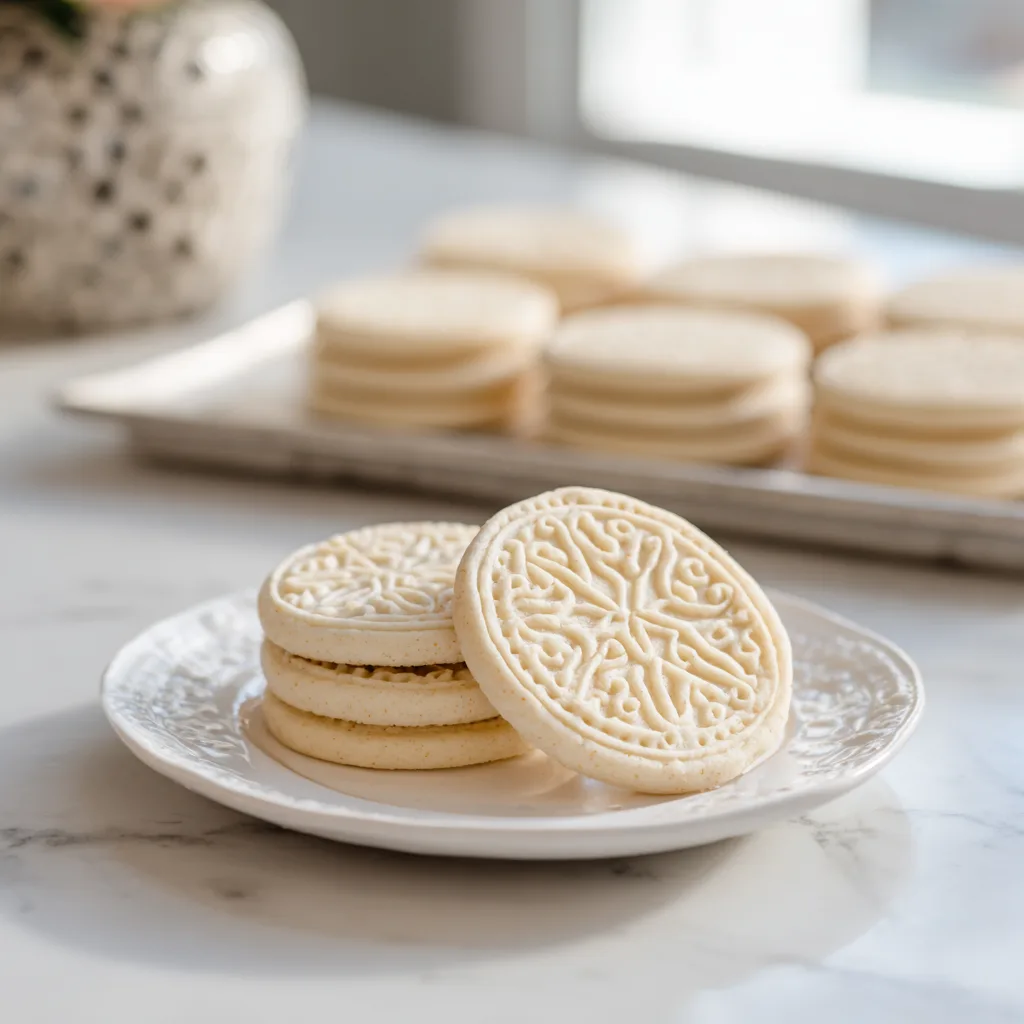
Springerle cookies are among the most iconic Old-World holiday treats — beautifully embossed, lightly sweet, and richly scented with anise and vanilla. Their delicate pale color, pillow-soft texture, and intricate surface designs make them a beloved Christmas staple across Germany, Austria, Switzerland, and the Alsace region. These cookies are more than a recipe; they’re a cultural tradition passed down through generations, carrying with them the warm nostalgia of winter markets, sparkling lights, and festive gatherings.
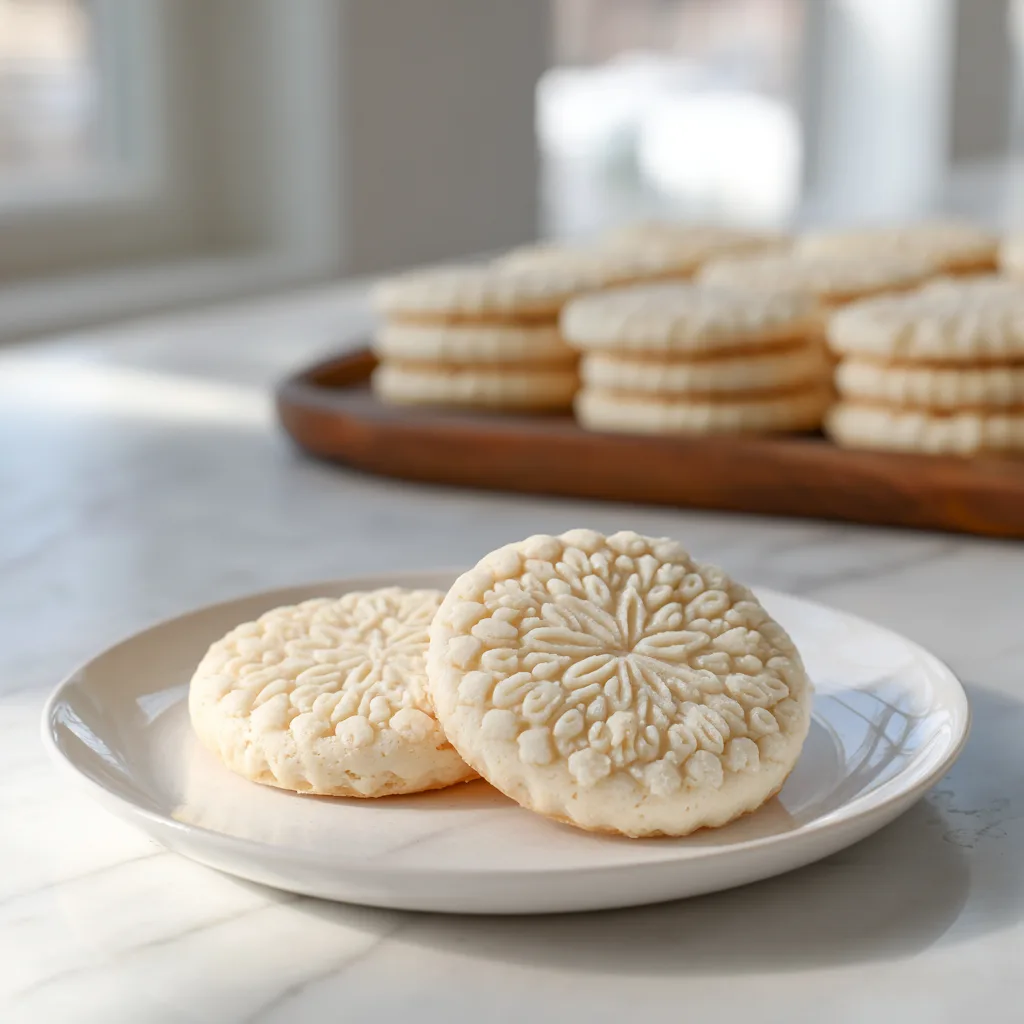
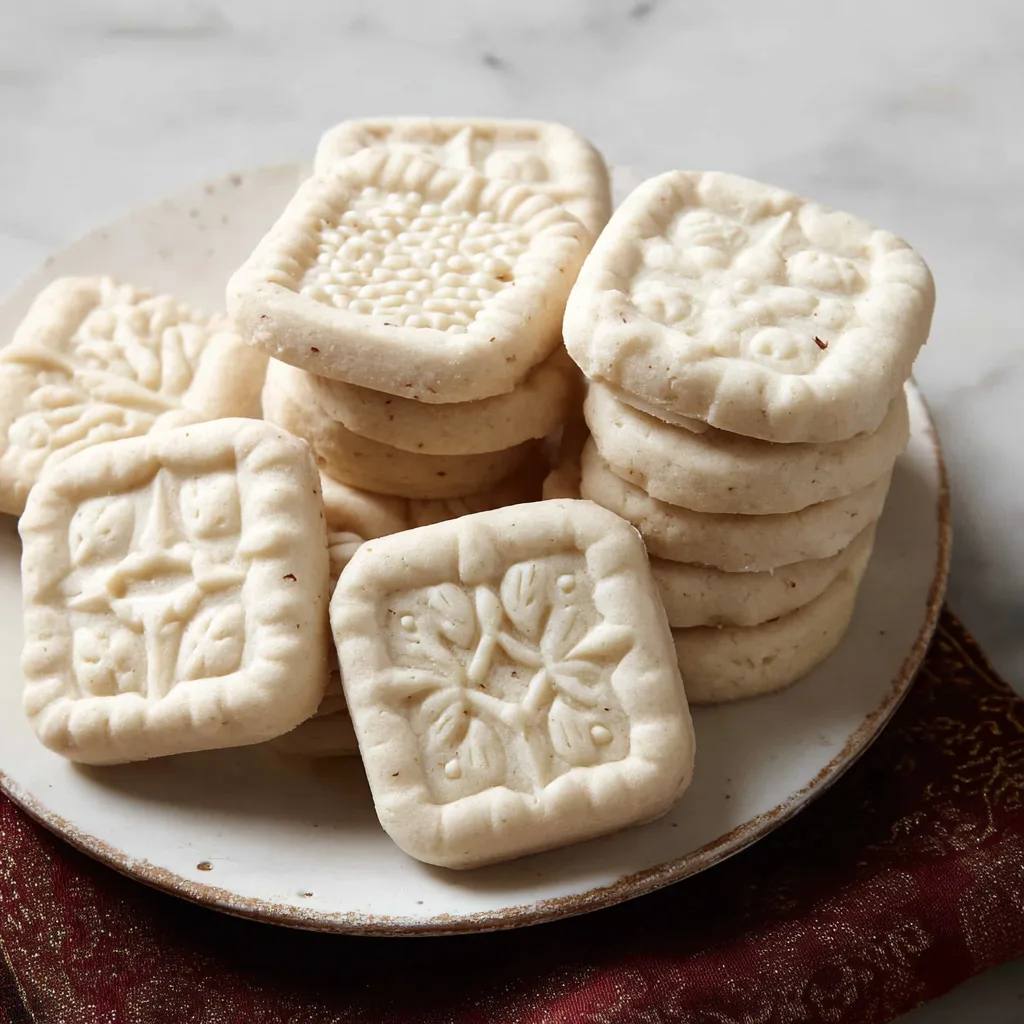
If you’ve ever admired cookies adorned with stunning carved images — snowflakes, angels, flowers, nativity scenes, woodland animals, or baroque patterns — chances are you’ve seen Springerle. Their iconic raised designs come from wooden or resin molds pressed into the dough before it dries overnight, creating the distinctive “spring” in the cookie’s structure when baked.
Today’s recipe for Classic Springerle Cookies with Anise and Vanilla Flavor honors the centuries-old method while offering an approachable, home-friendly version. The flavor is refined yet comforting: sweet icing-sugar dough, subtle vanilla warmth, and the unmistakable aromatic clarity of anise. Whether you celebrate German winter traditions or simply adore beautifully crafted cookies, this Springerle recipe is a must-bake for your holiday season.
This article covers everything you need: ingredients, step-by-step instructions, mold tips, drying advice, variations, troubleshooting guides, and even cultural background. By the end, you’ll be ready to create your own stunning embossments and deliciously soft, aromatic cookies.
What Makes Springelre Cookies Special?
Springerle cookies stand out because of:
1. Their Embossed Designs
Using Springerle molds or rolling pins, each cookie becomes a tiny work of art. The images stay crisp thanks to a crucial drying period before baking.
2. Their Unique Texture
Some regions prefer firm, long-lasting cookies; others (like the Swabian tradition) enjoy softer, more cake-like ones. This version gives you a soft bite with a slightly crisp exterior.
3. The Aromatic Anise Flavor
Anise gives Springerle their signature taste. You can use extract or whole seeds — either infuses the dough beautifully.
4. Their Long Shelf Life
Springerle cookies keep for weeks and often taste better after a few days of maturation.
5. Their History
These cookies date back to at least the 14th century. They were once given as special gifts symbolizing blessings and good fortune.
Ingredients for Classic Springerle Cookies with Anise and Vanilla Flavor
Traditional Springerle recipes are simple — only a few pantry staples bring these cookies to life. For best texture, weigh your flour or spoon-and-level it.
Ingredients
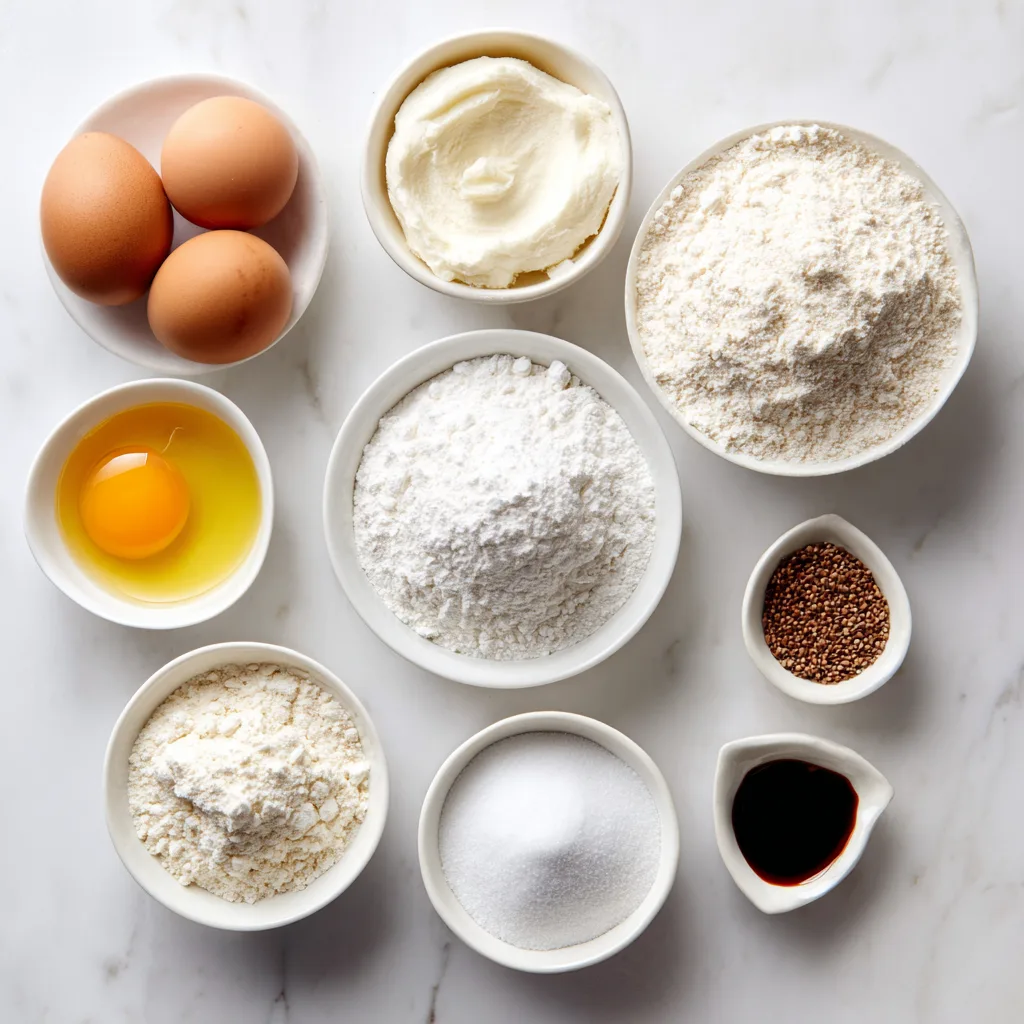
- 4 large eggs, room temperature
- 2 cups powdered sugar
- 3–3.5 cups all-purpose flour (start with 3 cups and add more as needed)
- 1 teaspoon baking powder
- 1 teaspoon anise extract (or 1–2 teaspoons anise seeds)
- 1 teaspoon vanilla extract
- Optional: Extra flour for dusting molds
- Optional: Cornstarch for dusting embossed surfaces
These ingredients create a pliable dough with enough structure to hold intricate mold patterns.
Instructions for Classic Springerle Cookies with Anise and Vanilla Flavor
1. Beat Eggs Until Thick and Pale
Using a stand mixer or hand mixer, whip the eggs for about 6–8 minutes until thick, foamy, and light in color. The volume helps achieve Springerle’s traditional lift.
2. Add Powdered Sugar
Gradually beat in powdered sugar for 2–3 minutes until smooth and glossy.
3. Mix in Vanilla and Anise
Add vanilla extract and anise extract (or seeds). If using seeds, some bakers steep them in warm water first.
4. Add Dry Ingredients
Sift together flour and baking powder. Slowly add the flour mixture to the egg mixture until a soft dough forms. You may need additional flour to reach a non-sticky, workable texture.
5. Roll Out the Dough
Lightly dust your countertop and mold or mold-rolling pin with flour or cornstarch.
Roll dough to ¼ inch thickness — traditional Springerle are slightly thicker than sugar cookies.
6. Press Mold Into Dough
Press your Springerle mold firmly into the dough. Lift slowly to reveal the design. Cut around the pattern with a knife, cutter, or square wheel.
Place cookies on a parchment-lined baking sheet.
7. Dry Cookies Overnight
This step is essential.
Let cookies dry UNCOVERED for 12–24 hours.
This forms a firm “crust” on top that keeps the design crisp while the bottom rises in the oven.
8. Preheat Oven
Set oven to 300°F (150°C).
9. Bake
Bake cookies for 12–18 minutes.
They should remain pale on top — no browning — with a slight rise at the bottom.
10. Cool Completely
Move to a wire rack and allow to cool fully.
11. Cure for Best Texture
Store cookies in airtight tins for 2–3 days before serving.
The flavor deepens, and the interior softens to perfection.
Tips for the Best Springerle Cookies
Use Powdered Sugar, Not Granulated
Powdered sugar dissolves smoothly and helps keep the dough pale and silky.
Drying Time Matters
Skipping this step leads to melted, distorted designs — the opposite of traditional Springerle.
Avoid Over-Flouring Molds
A light dusting is enough. Too much flour blurs the design.
If Cookies Turn Out Hard
Place a slice of apple in the tin for a few hours to soften them.
To Keep Them Soft
Bake at a lower temperature and avoid overbaking.
Flavor Variations
Almond Springerle
Replace vanilla with almond extract.
Citrus Springerle
Add lemon zest and lemon extract.
Honey Vanilla
Replace part of the sugar with 2 tablespoons honey.
Double Anise
Use both anise extract AND anise seeds.
Cultural History of Springerle
Springerle cookies originated in Swabia, a region of southwestern Germany, over 600 years ago. They were often pressed with religious images to commemorate festivals or used as ornamental gifts. Their name, derived from “springen” (to spring), refers to the way the bottom “springs up” during baking.
Many Springerle molds are treasured family heirlooms, lovingly carved from fruitwood and passed down through generations. Today, artisans still handcraft exquisite molds that make Springerle baking a cherished part of European Christmas traditions.
Serving Suggestions
- Enjoy with tea, coffee, or warm mulled wine
- Serve on holiday dessert boards with gingerbread, shortbread, and marzipan treats
- Package in decorative tins for festive gifts
- Pair with fruit compotes or spiced nuts for a winter grazing table
How to Store Springerle Cookies
- Room temperature: up to 4 weeks
- Tins preferred: Prevents moisture exposure
- For extra softness: Add a small piece of apple (remove after a few hours)
Classic Springerle Cookies with Anise and Vanilla Flavor
Ingredients
Equipment
Method
- Beat eggs for 6–8 minutes until thick, pale, and voluminous.
- Gradually add powdered sugar and continue beating until smooth and glossy.
- Mix in vanilla and anise extract (or seeds).
- Sift together flour and baking powder, then add slowly to form a non-sticky dough.
- Roll dough to 1/4-inch thickness and dust molds lightly with flour.
- Press molds into dough, cut designs, and transfer cookies to parchment-lined baking sheets.
- Dry cookies uncovered for 12–24 hours to set the embossed design.
- Bake at 300°F (150°C) for 12–18 minutes without browning the tops.