Lobster Bucatini: Elegant Seafood Pasta with Rich Tomato Butter Sauce
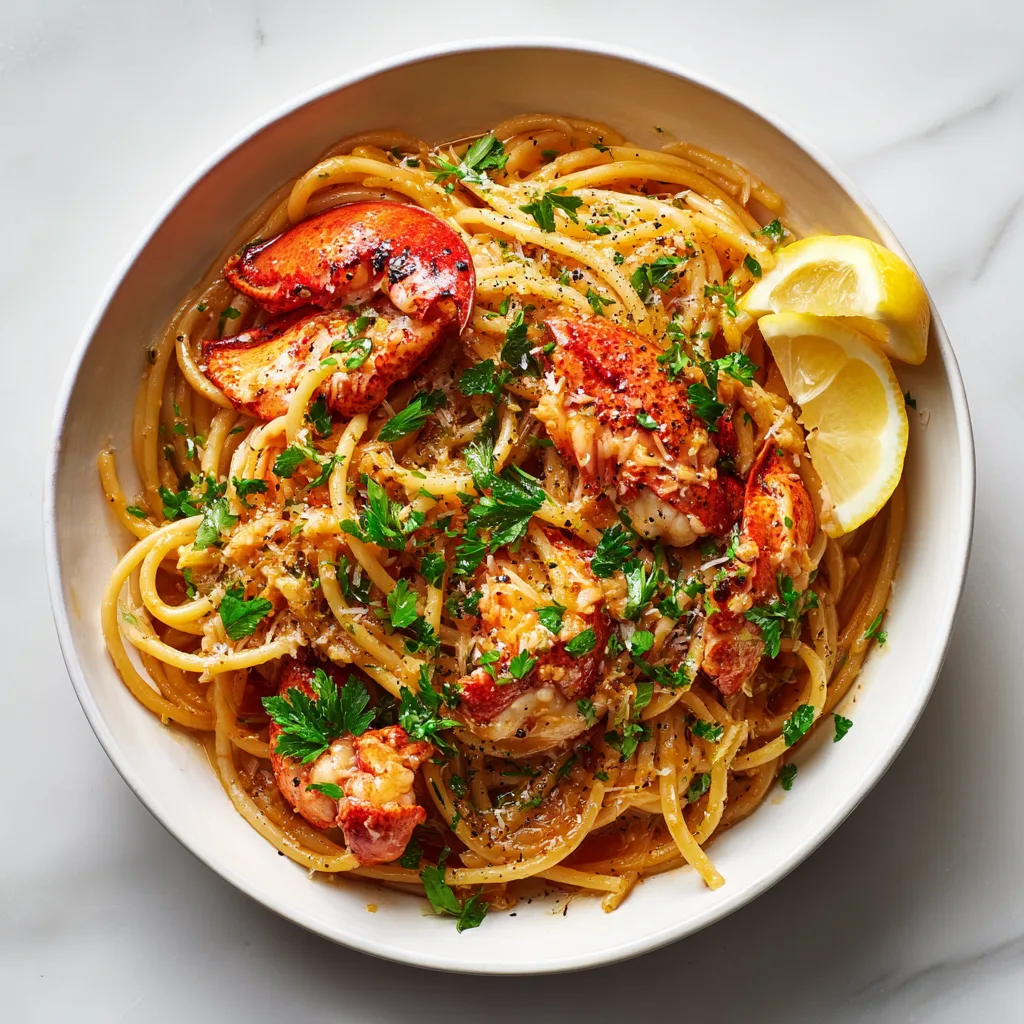
Few dishes feel as luxurious and satisfying as a perfectly prepared Lobster Bucatini. This elegant seafood pasta combines tender chunks of lobster meat with thick strands of bucatini pasta coated in a silky tomato-butter sauce infused with garlic, shallots, white wine, and fresh herbs. The result is a restaurant-quality dish that’s surprisingly achievable in your own kitchen.
Bucatini pasta, known for its hollow center, is the perfect partner for rich sauces because it captures every drop of flavor inside and outside the noodle. When paired with sweet lobster meat and a delicate seafood sauce, it creates a dish that feels both comforting and refined.
Whether you’re planning a romantic dinner, celebrating a special occasion, or simply craving an elevated pasta night, this lobster bucatini recipe delivers bold flavor, beautiful presentation, and unforgettable taste.
In this guide, you’ll learn exactly how to cook lobster for pasta, create a balanced sauce, and assemble the perfect seafood pasta dish from start to finish.
Why Lobster Bucatini Works So Well
This pasta recipe succeeds because of its perfect balance of ingredients and textures.
Sweet lobster meat: Lobster provides delicate sweetness and tender texture.
Hollow bucatini pasta: Bucatini captures sauce inside the noodle for maximum flavor.
Tomato-butter sauce: A blend of tomatoes, butter, and white wine creates a rich but balanced base.
Aromatic ingredients: Garlic, shallots, and herbs enhance the seafood flavor without overpowering it.
Fresh citrus: Lemon zest brightens the entire dish.
The result is a gourmet lobster pasta that feels indulgent but remains balanced and fresh.
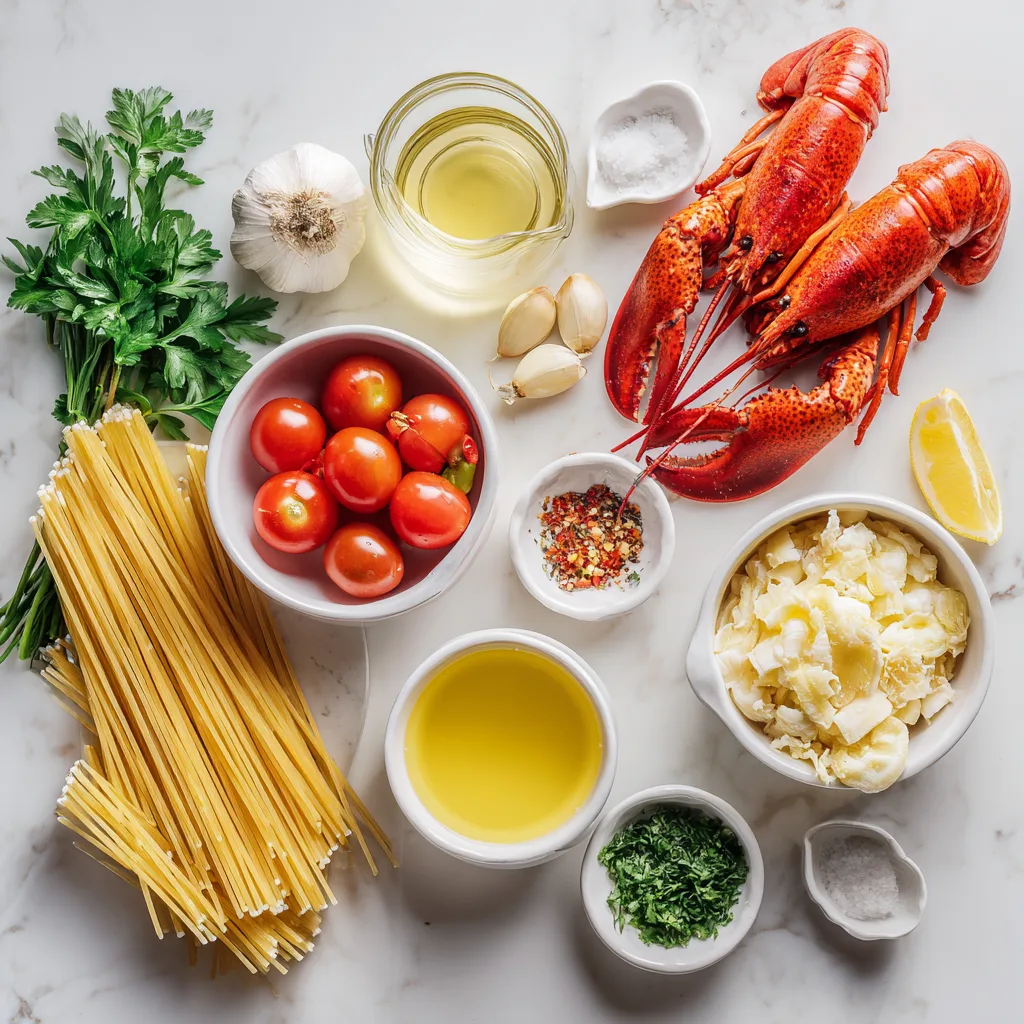
Ingredients
- 12 oz bucatini pasta
- 2 lobster tails (about 8–10 oz each)
- 2 tablespoons olive oil
- 2 tablespoons unsalted butter
- 2 shallots, finely diced
- 4 garlic cloves, minced
- 1 cup cherry tomatoes, halved
- ½ cup dry white wine
- 1 cup crushed tomatoes
- ½ teaspoon red pepper flakes
- ½ teaspoon sea salt (adjust to taste)
- ¼ teaspoon freshly ground black pepper
- Zest of 1 lemon
- 2 tablespoons fresh parsley, chopped
- ¼ cup reserved pasta water
- Optional: freshly grated Parmesan cheese for serving
Instructions
1. Prepare the Lobster
Start by bringing a pot of salted water to a gentle boil.
Add the lobster tails and cook for 5–6 minutes, until the shells turn bright red and the meat becomes opaque.
Remove the lobster from the water and let cool slightly.
Using kitchen scissors, cut down the shell and carefully remove the meat. Chop the lobster into large bite-sized chunks and set aside.
2. Cook the Bucatini
Bring a large pot of salted water to a boil.
Cook the bucatini pasta according to the package instructions until al dente.
Before draining, reserve about ¼ cup of pasta cooking water.
Drain the pasta and set aside.
3. Start the Sauce Base
In a large skillet over medium heat, add olive oil and butter.
Once the butter melts, add the diced shallots and cook for 2–3 minutes until softened.
Stir in the minced garlic and cook for another 30 seconds, just until fragrant.
4. Add Tomatoes and Wine
Pour in the white wine and allow it to simmer for 2 minutes to cook off the alcohol.
Add the cherry tomatoes and crushed tomatoes.
Season with salt, black pepper, and red pepper flakes.
Simmer the sauce for 6–8 minutes, allowing the flavors to blend and the tomatoes to soften.
5. Add the Lobster
Gently stir the chopped lobster into the sauce.
Cook for 2–3 minutes, just long enough to warm the lobster without overcooking it.
Overcooked lobster can become rubbery, so keep this step brief.
6. Combine Pasta and Sauce
Add the cooked bucatini directly into the skillet with the sauce.
Pour in a small amount of the reserved pasta water and toss everything together.
The pasta water helps emulsify the sauce, creating a silky coating on every strand.
7. Finish the Dish
Add lemon zest and chopped parsley.
Toss gently to combine.
Taste and adjust seasoning if needed.
Serve immediately with optional Parmesan cheese and extra parsley.
Tips for Perfect Lobster Bucatini
Use Fresh Lobster When Possible
Fresh lobster tails provide the sweetest flavor and best texture. If using frozen lobster, thaw completely before cooking.
Don’t Overcook the Lobster
Lobster cooks quickly and becomes tough if overdone. Add it near the end of the sauce cooking process.
Reserve Pasta Water
This starchy liquid is essential for creating a smooth sauce that clings to the pasta.
Use High-Quality Pasta
Bronze-cut bucatini holds sauce better and gives the dish a restaurant-style texture.
Finish with Citrus
Lemon zest adds brightness and balances the richness of butter and lobster.
Flavor Variations
Creamy Lobster Bucatini
Add ½ cup heavy cream to the tomato sauce for a richer, velvety texture.
Spicy Lobster Pasta
Increase red pepper flakes or add Calabrian chili paste for a spicy kick.
Garlic Butter Lobster Bucatini
Skip the tomatoes and make a simple garlic butter white wine sauce.
Lobster Shrimp Bucatini
Add sautéed shrimp along with the lobster for a mixed seafood pasta.
Herb Lemon Lobster Pasta
Use basil, parsley, and lemon juice for a brighter Mediterranean flavor.
Serving Suggestions
Lobster bucatini is rich and satisfying on its own, but pairing it with the right sides can elevate the entire meal.
Garlic bread
Perfect for soaking up extra sauce.
Arugula salad with lemon vinaigrette
Adds a fresh and peppery contrast.
Roasted asparagus
Complements the delicate seafood flavor.
Chilled white wine
A crisp Sauvignon Blanc or Pinot Grigio pairs beautifully with lobster pasta.
Cultural Inspiration Behind the Dish
Seafood pasta is a beloved staple in coastal Italian cuisine. Regions like Liguria, Sicily, and Campania feature pasta dishes with lobster, shrimp, and shellfish in tomato or wine-based sauces.
While traditional Italian lobster pasta often uses spaghetti or linguine, bucatini has become a popular modern alternative because of its unique hollow center that holds sauce perfectly.
This dish blends classic Italian techniques with modern presentation, making it a standout recipe for both home cooks and professional chefs.
Storage and Reheating
If you have leftovers, store them properly to maintain the best flavor.
Refrigeration:
Place leftovers in an airtight container and refrigerate for up to 2 days.
Reheating:
Reheat gently in a skillet over low heat with a splash of water or broth to loosen the sauce.
Avoid microwaving lobster pasta for too long, as it can toughen the lobster.
Fun Fact About Bucatini
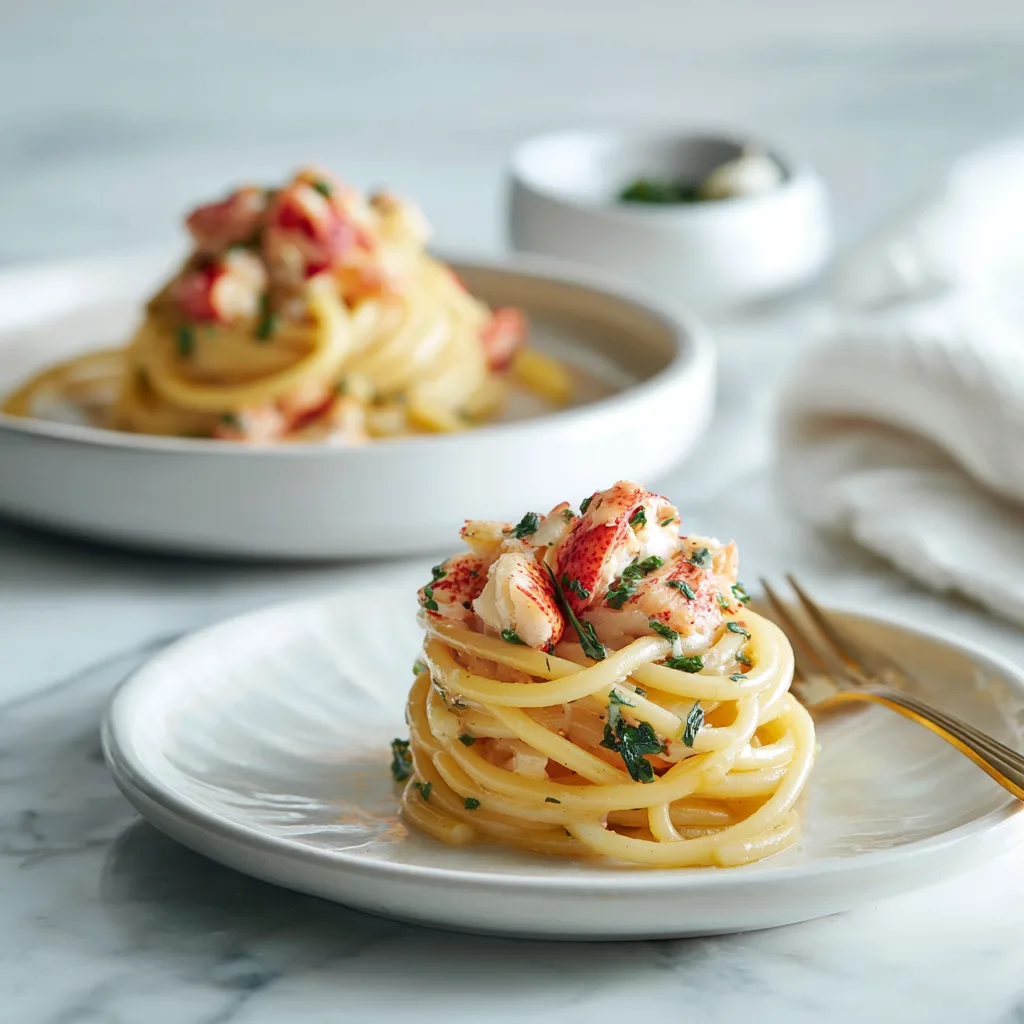
Bucatini looks similar to spaghetti but has a tiny hollow tube running through the center. The name comes from the Italian word “buco,” meaning hole.
This structure allows the pasta to absorb sauce inside the noodle as well as outside, making it ideal for bold, flavorful sauces like the one used in this lobster pasta recipe.
Final Thoughts
If you want to impress guests or treat yourself to a luxurious homemade dinner, Lobster Bucatini is an excellent choice. It delivers the perfect combination of elegant seafood flavor, comforting pasta texture, and a rich yet balanced sauce.
Despite its restaurant-quality appearance, the recipe is approachable and can be completed in under an hour. With a few fresh ingredients and simple techniques, you can create a stunning seafood pasta dish that rivals your favorite Italian restaurant.
Once you try this lobster pasta recipe, it may quickly become your go-to dish for celebrations, date nights, and special dinners.
Lobster Bucatini
Ingredients
Equipment
Method
- Boil lobster tails for 5–6 minutes until bright red and opaque. Remove meat and chop.
- Cook bucatini pasta in salted water until al dente. Reserve 1/4 cup pasta water and drain.
- Heat olive oil and butter in a large skillet. Cook shallots for 2–3 minutes.
- Add garlic and cook for 30 seconds until fragrant.
- Pour in white wine and simmer for 2 minutes.
- Add cherry tomatoes, crushed tomatoes, salt, pepper, and red pepper flakes. Simmer 6–8 minutes.
- Stir in lobster meat and cook for 2–3 minutes.
- Add cooked bucatini and reserved pasta water. Toss until coated.
- Finish with lemon zest and parsley. Serve immediately.