Recipe Name: Easy Traditional Irish Soda Bread – Rustic, No-Yeast Classic
There is something beautifully simple about traditional Irish soda bread. With its crisp golden crust, tender crumb, and unmistakable rustic charm, this bread has stood the test of time. Unlike yeast breads that require kneading, rising, and careful timing, this easy soda bread recipe comes together in minutes using pantry staples. No yeast, no complicated techniques — just wholesome ingredients and authentic flavor.
Whether you’re celebrating Saint Patrick’s Day or simply craving a slice of warm homemade bread slathered in butter, this authentic Irish bread delivers comfort in every bite. In this guide, you’ll learn not only how to make homemade Irish soda bread, but also the history behind it, expert baking tips, delicious variations, and serving ideas that make this bread unforgettable.
Let’s bake!
The History Behind Traditional Irish Soda Bread
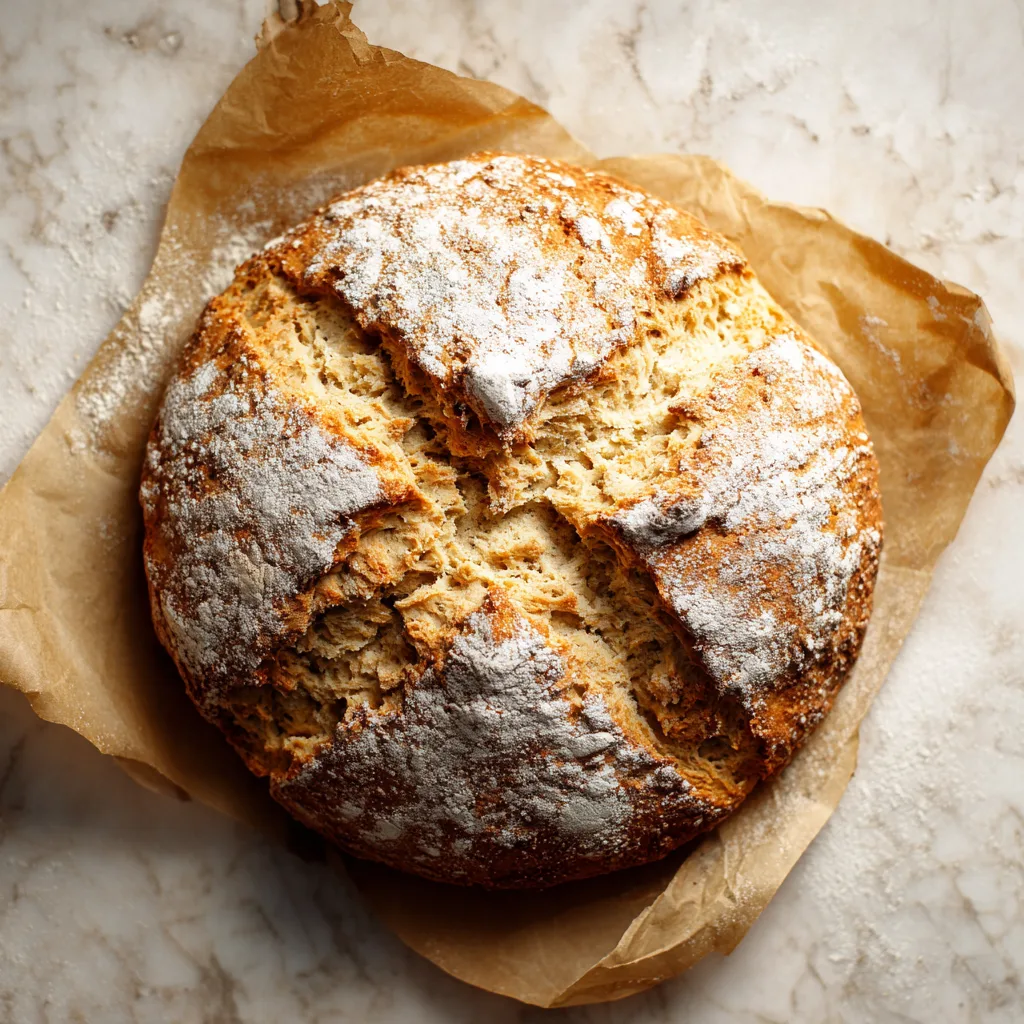
Traditional Irish soda bread originated in Ireland during the 19th century. When baking soda (also known as bread soda) became widely available, Irish households embraced it as an affordable and practical leavening agent. Unlike yeast, baking soda reacts immediately with acidic ingredients like buttermilk, producing carbon dioxide bubbles that help the bread rise.
The result? A hearty, dense bread with a tender interior and signature cross cut into the top. The cross was not only decorative — folklore suggests it was scored to “let the fairies out” or bless the bread before baking.
Authentic Irish soda bread was traditionally made with just four ingredients:
- Flour
- Baking soda
- Salt
- Buttermilk
That’s it. No sugar, no raisins, no fancy additions — just simple nourishment.
Why You’ll Love This Easy Soda Bread Recipe
This no yeast bread recipe is ideal for beginner bakers and busy home cooks alike. Here’s why:
- No yeast required
- No rising time
- Ready in under an hour
- Minimal ingredients
- One bowl preparation
- Rustic bakery-style results
If you’ve ever felt intimidated by bread baking, this homemade Irish soda bread is your perfect starting point.
Ingredients
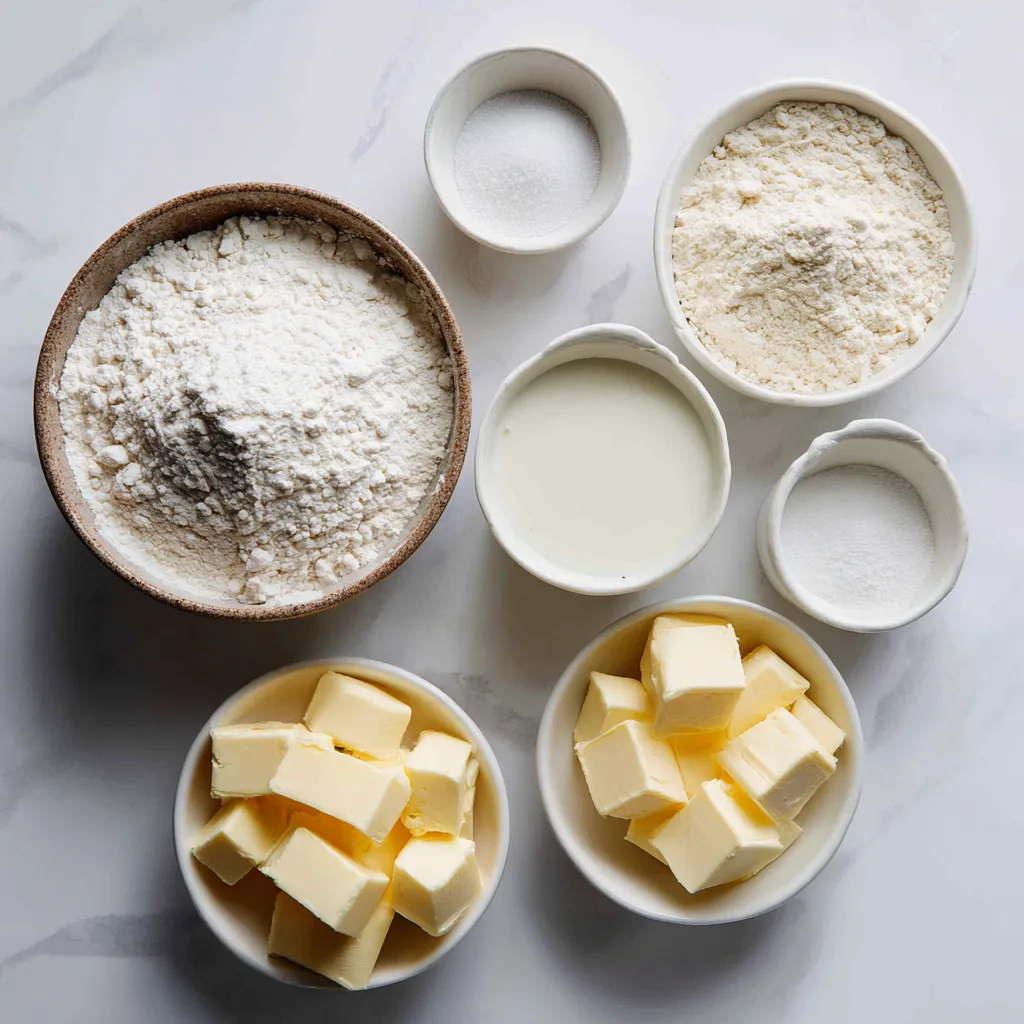
- 4 cups all-purpose flour
- 1 teaspoon baking soda
- 1 teaspoon fine salt
- 3 tablespoons cold unsalted butter, cubed (optional but recommended for tenderness)
- 1 ¾ cups buttermilk (cold)
Optional for brushing:
- 1 tablespoon melted butter
Ingredient Notes for Authentic Results
Flour:
Traditional recipes use soft wheat flour. Standard all-purpose flour works perfectly at home.
Baking Soda:
Make sure it’s fresh. Expired baking soda won’t provide proper lift.
Buttermilk:
The acidity activates the baking soda. If you don’t have buttermilk, mix 1 tablespoon lemon juice or vinegar with 1 cup milk and let it sit 5 minutes.
Butter (Optional):
While strictly traditional versions often omit butter, adding a small amount creates a softer crumb without compromising authenticity.
Instructions
- Preheat your oven to 400°F (200°C). Line a baking sheet with parchment paper.
- Mix dry ingredients. In a large bowl, whisk together flour, baking soda, and salt until evenly combined.
- Cut in butter (if using). Add the cold butter cubes and rub them into the flour with your fingertips until the mixture resembles coarse crumbs.
- Add buttermilk. Pour in the buttermilk and gently mix with a wooden spoon or your hands until a shaggy dough forms. Do not overmix.
- Shape the dough. Turn the dough onto a lightly floured surface. Gently shape into a round loaf about 1½ inches thick. Avoid kneading — just bring it together.
- Score the top. Using a sharp knife, cut a deep cross (about ½ inch deep) across the top of the loaf.
- Bake. Place on the prepared baking sheet and bake for 35–40 minutes, or until the crust is golden brown and the bottom sounds hollow when tapped.
- Cool slightly. Transfer to a wire rack and allow to cool for at least 15 minutes before slicing.
- Optional finish. Brush the warm crust with melted butter for extra richness.
Expert Tips for Perfect Homemade Irish Soda Bread
1. Don’t Overwork the Dough
Overmixing develops gluten, making the bread tough. Handle gently for a tender crumb.
2. Work Quickly
Once the buttermilk meets the baking soda, the reaction begins. Get it into the oven promptly.
3. Deep Cross Matters
A shallow cut won’t allow proper expansion. Make it bold and confident.
4. Bake Immediately
Unlike yeast breads, soda bread does not benefit from resting before baking.
Traditional vs. American Versions
In the United States, Irish soda bread often includes sugar, raisins, or caraway seeds. While delicious, these additions are not part of the original Irish recipe. If you want authentic Irish bread, keep it simple.
However, if you enjoy a slightly sweeter loaf, you can add:
- 2 tablespoons sugar
- ½ cup raisins
- 1 teaspoon caraway seeds
Just note that you’re moving into a more Americanized style.
Delicious Variations
Whole Wheat Irish Soda Bread
Replace 1–2 cups of all-purpose flour with whole wheat flour for a heartier loaf.
Seeded Rustic Bread
Add sunflower, pumpkin, or sesame seeds for texture.
Savory Herb Version
Mix in chopped rosemary or thyme for a fragrant twist.
Cheddar Soda Bread
Add 1 cup shredded sharp cheddar and a pinch of black pepper for a rich, savory loaf.
How to Serve Traditional Irish Soda Bread
This bread is wonderfully versatile. Here are some serving ideas:
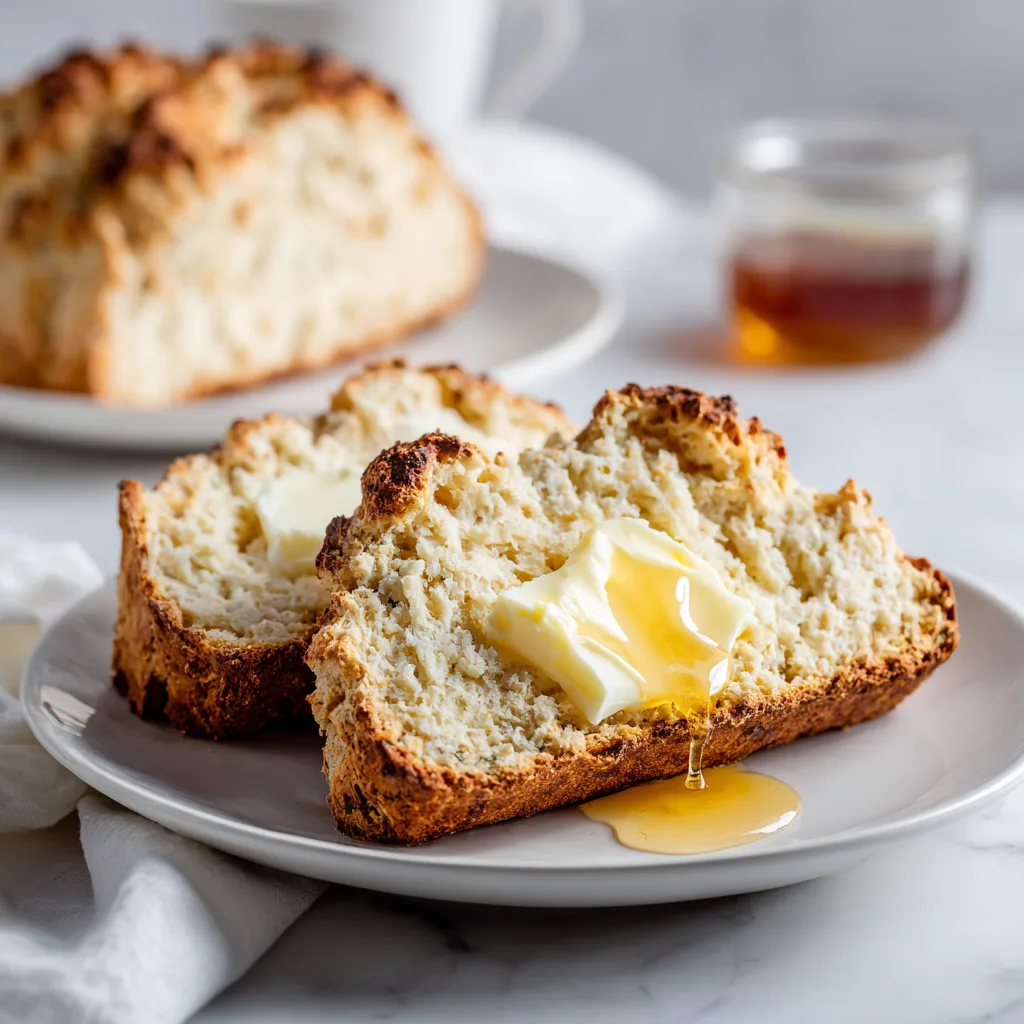
- Thick slices with salted butter
- Toasted with jam or honey
- Served alongside hearty stew
- Paired with soup
- Used for rustic sandwiches
In Ireland, soda bread is often served with soups and stews in traditional pubs throughout Ireland. It pairs beautifully with comforting dishes and makes an excellent breakfast toast.
Storage and Freezing
Room Temperature:
Store in an airtight container for up to 3 days.
Freezing:
Wrap tightly in plastic wrap and freeze for up to 2 months. Slice before freezing for easy reheating.
Reheating Tip:
Warm slices in the oven at 325°F for 5–7 minutes to refresh the crust.
Fun Cultural Facts
- Soda bread became popular during times of economic hardship because it required no expensive yeast.
- The cross cut into the bread has both practical and symbolic meaning.
- It remains one of the most iconic breads associated with Ireland today.
Common Mistakes to Avoid
- Using expired baking soda
- Overmixing the dough
- Adding too much flour while shaping
- Not scoring deeply enough
- Slicing too soon (let it cool slightly!)
Why This No Yeast Bread Recipe Works
This easy soda bread recipe works because it relies on a simple chemical reaction rather than fermentation. The acidity of buttermilk activates the baking soda instantly, creating lift without waiting hours.
It’s quick, reliable, and forgiving — ideal for modern kitchens.
Frequently Asked Questions
Can I make soda bread without buttermilk?
Yes. Use milk with lemon juice or vinegar as a substitute.
Is soda bread supposed to be dense?
Yes. Authentic Irish soda bread is slightly dense but tender, not fluffy like sandwich bread.
Can I double the recipe?
Absolutely. You can also divide into two smaller loaves for more even baking.
Final Thoughts
There’s a reason traditional Irish soda bread has remained a staple for generations. It embodies simplicity, resourcefulness, and comfort. With just a handful of ingredients and less than an hour, you can create a warm, rustic loaf that feels both historic and timeless.
Whether you enjoy it plain, toasted, sweetened, or savory, this homemade Irish soda bread brings a taste of tradition straight to your kitchen.
Bake it once — and it may become your go-to no yeast bread recipe forever.
Easy Traditional Irish Soda Bread
Ingredients
Equipment
Method
- Preheat oven to 400°F (200°C) and line a baking sheet with parchment paper.
- Whisk together flour, baking soda, and salt in a large bowl.
- Cut in cold butter until mixture resembles coarse crumbs.
- Add buttermilk and mix gently until dough forms.
- Shape into a round loaf and place on prepared baking sheet.
- Score a deep cross on top of the dough.
- Bake 35–40 minutes until golden brown and hollow sounding.
- Cool on wire rack before slicing and serving.