Soft Sourdough English Muffins: Pillowy Homemade Breakfast Perfection
There is something incredibly satisfying about baking your own bread at home, especially when it involves the rich flavor and tender texture of sourdough. Soft Sourdough English Muffins are a wonderful way to use your sourdough starter while creating a breakfast staple that tastes far better than anything store-bought. With their signature golden crust, fluffy interior, and those iconic airy pockets perfect for holding melted butter or jam, these muffins are truly irresistible.
Unlike traditional English muffins that rely heavily on commercial yeast, this version uses natural fermentation from sourdough starter to develop flavor and texture. The result is a softer crumb, slightly tangy taste, and improved digestibility. Whether you enjoy them toasted with butter, layered into breakfast sandwiches, or topped with avocado and eggs, homemade sourdough English muffins bring a bakery-quality experience right to your kitchen.
In this guide, you’ll learn everything you need to know to make soft sourdough English muffins successfully, including tips, variations, and serving ideas.

Why You’ll Love This Recipe
Soft sourdough English muffins offer several advantages over store-bought varieties:
- Superior flavor thanks to natural fermentation
- Soft and fluffy texture with classic nooks and crannies
- Versatile uses for breakfast, brunch, or snacks
- No oven required — they cook on a skillet or griddle
- Great way to use sourdough starter (active or discard)
Once you make them from scratch, you may never want packaged muffins again.
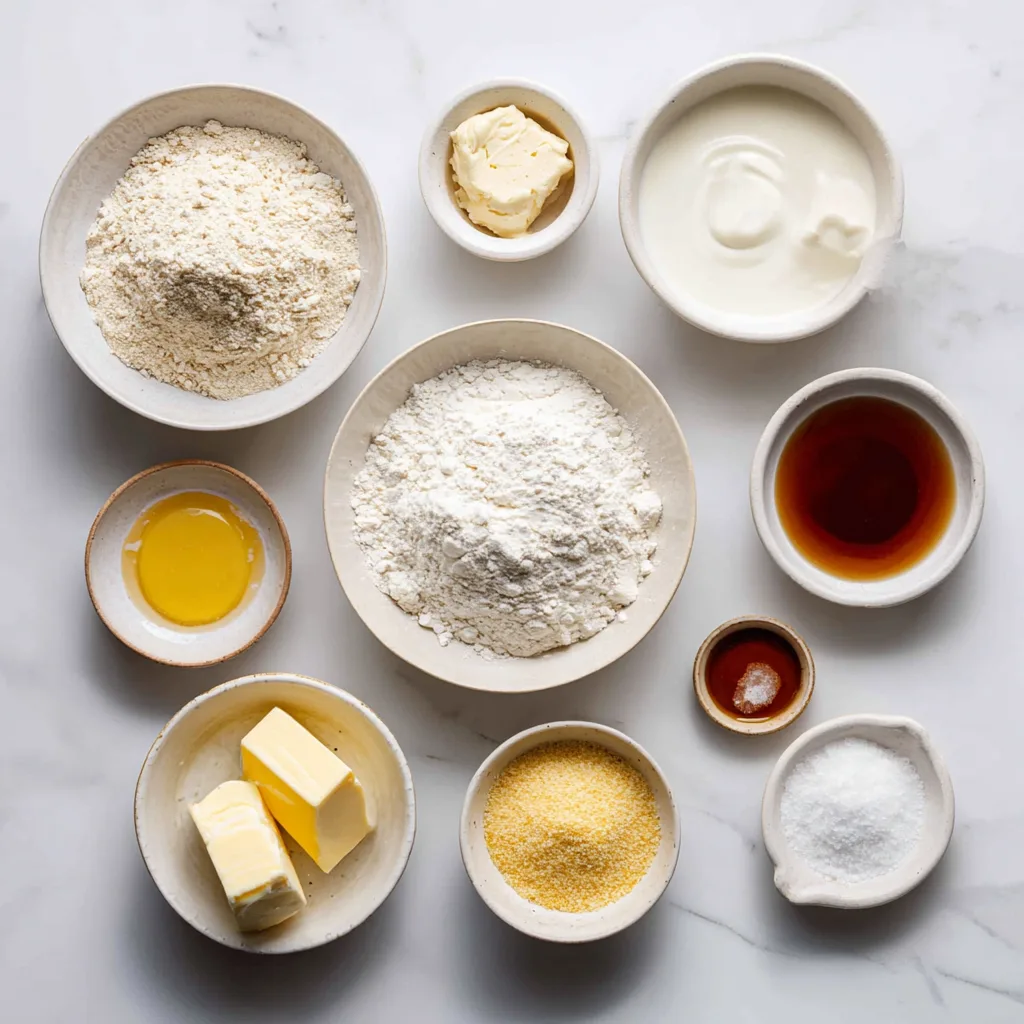
Ingredients
- 1 cup active sourdough starter (fed and bubbly)
- 1 cup warm milk
- 2 tablespoons honey or sugar
- 3 tablespoons unsalted butter, melted
- 2 ½ cups all-purpose flour
- 1 teaspoon salt
- 1 teaspoon instant yeast (optional, for extra lift)
- Cornmeal or semolina, for dusting
Instructions
- Mix the Dough
In a large mixing bowl, combine the sourdough starter, warm milk, honey, and melted butter. Stir until smooth and well blended. - Add Dry Ingredients
Add the flour, salt, and optional instant yeast. Mix until a soft dough forms. The dough should be slightly sticky but manageable. - Knead the Dough
Knead by hand for about 8–10 minutes or use a stand mixer with a dough hook for 5–6 minutes until smooth and elastic. - First Rise (Bulk Fermentation)
Place the dough in a lightly greased bowl, cover, and let it rise at room temperature for 4–6 hours, or until doubled in size. For deeper flavor, you can refrigerate overnight. - Shape the Muffins
Turn the dough onto a floured surface and gently roll it to about ¾-inch thickness. Use a round cutter or glass to cut circles. - Dust with Cornmeal
Sprinkle cornmeal on a baking sheet and place the cut muffins on top. Dust the tops lightly with more cornmeal. - Second Rise
Cover and let rise for 30–60 minutes until slightly puffy. - Cook on Skillet
Heat a heavy skillet or griddle over low-medium heat. Cook muffins for about 5–7 minutes per side until golden brown and cooked through. - Cool Completely
Transfer to a wire rack and cool before slicing to preserve texture. - Split and Toast
For best results, split with a fork instead of a knife to create classic nooks and crannies.
The Secret to Soft Sourdough English Muffins
Achieving a soft texture comes down to a few key techniques:
1. Hydration Matters
A slightly sticky dough produces a softer crumb. Avoid adding too much flour during kneading.
2. Gentle Cooking Temperature
Cooking on low-medium heat allows the interior to cook without burning the crust.
3. Enriched Dough
Milk, butter, and honey add tenderness and flavor.
4. Proper Fermentation
Allowing enough rise time creates those signature air pockets.
Tips for Perfect Results
- Use an active, bubbly starter for best rise and flavor.
- If your kitchen is cold, let dough rise in a warm spot (like an oven with the light on).
- Avoid high heat while cooking — patience ensures evenly cooked muffins.
- Always cool before slicing to prevent gummy texture.
- Fork-split instead of cutting for authentic texture.
Variations to Try
One of the joys of homemade English muffins is how easily they can be customized.
Whole Wheat Version
Replace up to 50% of the flour with whole wheat flour for a nutty flavor.
Cinnamon Raisin Muffins
Add ½ cup raisins and 1 teaspoon cinnamon to the dough.
Herb & Cheese Muffins
Mix shredded cheddar and dried herbs into the dough for savory muffins.
Dairy-Free Option
Substitute milk with almond or oat milk and use plant-based butter.
Serving Suggestions
Soft sourdough English muffins are incredibly versatile.
- Toasted with butter and honey
- Topped with jam or fruit preserves
- Breakfast sandwiches with eggs and cheese
- Avocado toast with chili flakes
- Mini pizzas for lunch
- Eggs Benedict base
- Peanut butter and banana snack
They also freeze beautifully — simply split before freezing for quick toasting later.
Storage and Freezing
Room Temperature
Store in an airtight container for up to 3 days.
Refrigerator
Keeps fresh for about 1 week.
Freezer
Freeze for up to 3 months. Toast directly from frozen.
Nutritional Benefits of Sourdough
Sourdough fermentation offers several benefits compared to standard bread:
- Improved digestibility
- Lower glycemic impact
- Enhanced mineral absorption
- Natural preservation without additives
This makes sourdough English muffins a more wholesome breakfast choice.

Common Mistakes to Avoid
Even simple recipes can go wrong without the right approach.
Dense muffins: Dough didn’t rise long enough.
Burnt outside, raw inside: Heat too high during cooking.
Flat muffins: Starter not active or dough overproofed.
Gummy texture: Cut before cooling completely.
Understanding these pitfalls ensures consistent success.
Fun Baking Facts
English muffins are believed to have originated in the 19th century and became popular due to their griddle-cooked method rather than baking in ovens. Their unique texture comes from steam expansion during cooking, creating the beloved pockets perfect for butter.
Sourdough versions add an ancient fermentation tradition dating back thousands of years, combining history and flavor into one delicious bread.
Why Homemade Always Wins
Making soft sourdough English muffins at home gives you full control over ingredients, flavor, and texture. There are no preservatives, artificial flavors, or unnecessary additives — just wholesome ingredients transformed through time and care.
Plus, the aroma of fresh muffins cooking on a skillet is an experience no bakery purchase can replicate.
Once you master this recipe, you’ll have a dependable staple for breakfasts, brunches, and snacks that your family will request again and again.
Soft Sourdough English Muffins
Ingredients
Equipment
Method
- Combine sourdough starter, warm milk, honey, and melted butter in a bowl.
- Add flour, salt, and optional yeast. Mix to form a soft dough.
- Knead until smooth and elastic.
- Cover and let rise until doubled, about 4–6 hours.
- Roll dough and cut into circles.
- Dust with cornmeal and let rise again.
- Cook on a skillet over low-medium heat until golden on both sides.
- Cool completely before splitting and serving.