Easy Homemade Miso Soup Recipe with Tofu and Seaweed
Miso soup is one of those comforting dishes that feels both nourishing and grounding, no matter the season. Light yet deeply flavorful, this easy homemade miso soup recipe with tofu and seaweed brings authentic Japanese-inspired flavors into your kitchen using simple, accessible ingredients. Whether you’re enjoying it as a starter, a light lunch, or a cozy evening bowl, miso soup offers warmth, balance, and timeless appeal.
Unlike restaurant versions that can sometimes taste overly salty or flat, homemade miso soup allows you to control every element—from the richness of the broth to the balance of umami and sweetness. This version is beginner-friendly, quick to prepare, and gentle enough for everyday meals while still feeling special.
In this guide, you’ll learn not just how to make miso soup, but why each ingredient matters, how to customize it to your taste, and how to serve it in a way that honors its cultural roots while fitting seamlessly into modern home cooking.
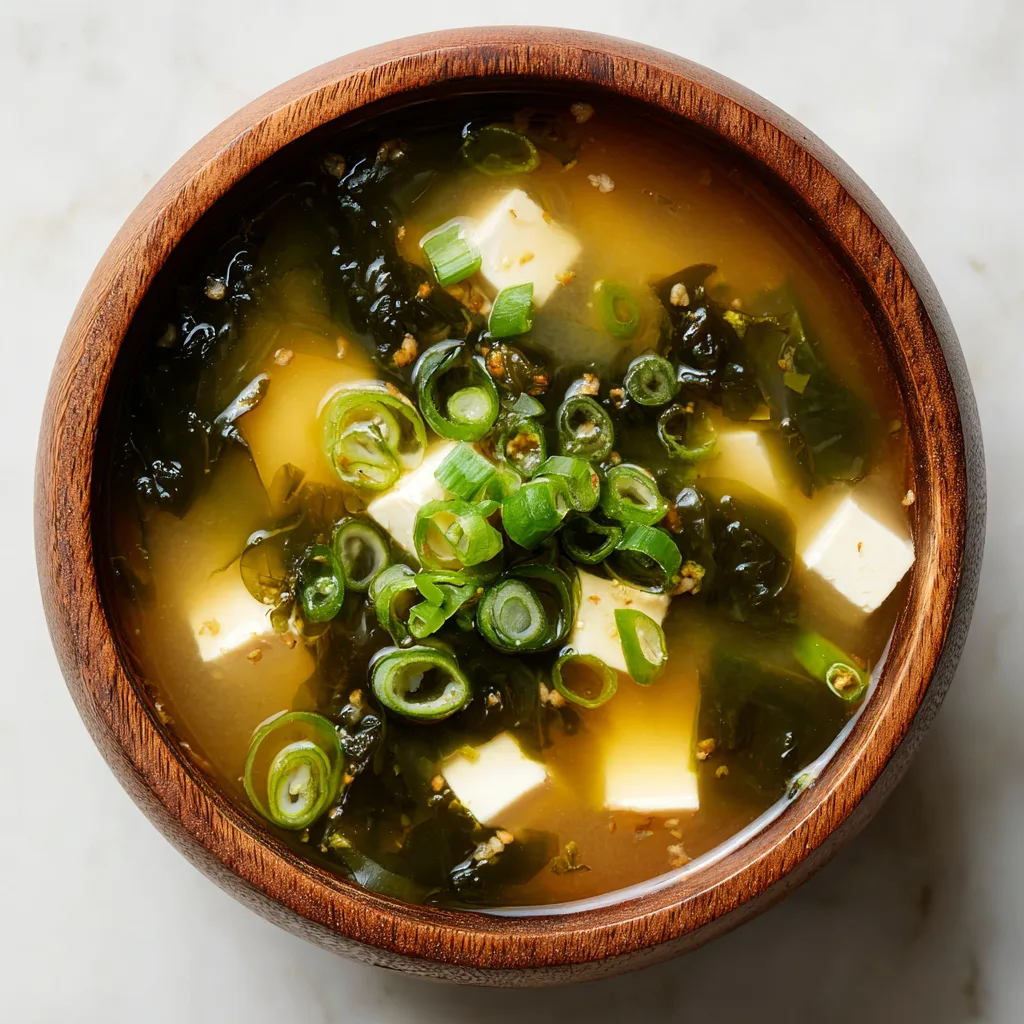
What Makes Miso Soup So Special?
Miso soup has been a cornerstone of Japanese cuisine for centuries. Traditionally served with breakfast, lunch, and dinner, it’s valued for both flavor and nourishment. The key ingredient—miso paste—is made from fermented soybeans, sometimes combined with rice or barley, creating a complex, savory depth that defines the soup.
The beauty of miso soup lies in its simplicity. With just a few ingredients, you can create a broth that tastes layered and satisfying. Tofu adds gentle protein, wakame seaweed brings a subtle ocean flavor, and green onions provide freshness and color.
This homemade miso soup with tofu and seaweed is designed to be approachable while staying true to the soul of the dish.
Ingredients
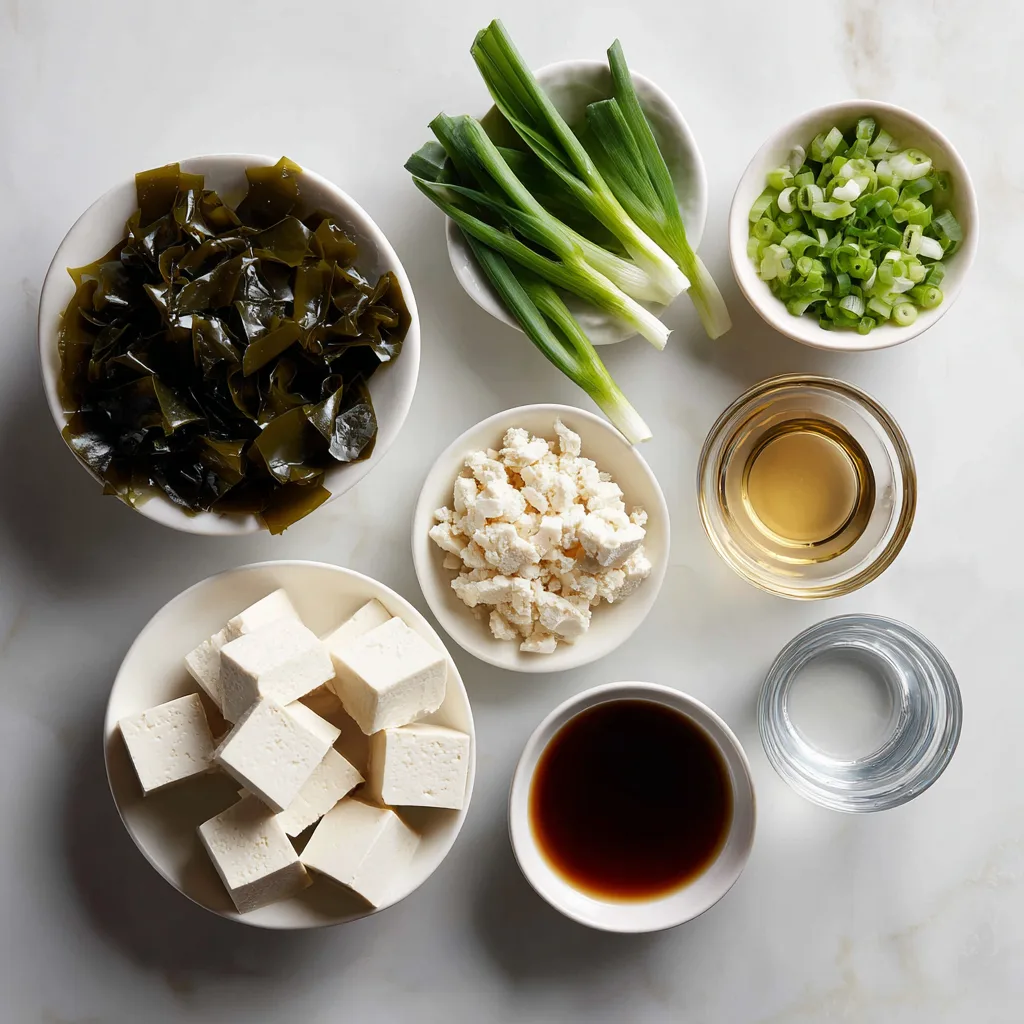
- 4 cups water
- 1 teaspoon dashi granules or 1 dashi sachet
- 3 tablespoons white or yellow miso paste
- ½ cup soft or medium tofu, cut into small cubes
- 1 tablespoon dried wakame seaweed
- 2 green onions, thinly sliced
- Optional: a few drops of sesame oil for aroma
Instructions
- Prepare the Broth:
Pour the water into a medium saucepan and heat over medium heat until warm but not boiling. Add the dashi granules or sachet and stir gently until dissolved. - Rehydrate the Seaweed:
Add the dried wakame seaweed directly to the warm broth. Allow it to rehydrate for about 1–2 minutes, during which it will expand and soften. - Add the Tofu:
Gently add the cubed tofu to the pot, stirring carefully to avoid breaking the pieces. Keep the heat low to preserve texture. - Incorporate the Miso Paste:
Place the miso paste into a ladle or small bowl. Scoop some warm broth into it and whisk until smooth. Slowly pour the mixture back into the soup. - Heat Without Boiling:
Warm the soup gently for another 2–3 minutes. Do not allow it to boil, as high heat can dull the miso’s flavor. - Finish and Serve:
Turn off the heat. Add sliced green onions and a few drops of sesame oil if using. Serve immediately.
Tips for the Best Homemade Miso Soup
- Never Boil Miso: High heat kills beneficial compounds and alters flavor. Always add miso at the end.
- Choose the Right Miso: White miso is mild and slightly sweet, while yellow miso is deeper and more savory.
- Use Soft Tofu Carefully: Handle gently to keep cubes intact and visually appealing.
- Taste as You Go: Different miso pastes vary in saltiness, so adjust to preference.
Variations You’ll Love
- Vegetable Miso Soup: Add mushrooms, spinach, or thinly sliced carrots.
- Protein Boost: Add shrimp or thin slices of chicken for a heartier bowl.
- Spicy Miso Soup: Stir in a pinch of chili paste or chili oil.
- Gluten-Free Version: Ensure your miso and dashi are gluten-free certified.
Serving Suggestions
Serve miso soup alongside steamed rice, grilled fish, or a simple salad for a balanced meal. It also pairs beautifully with sushi, rice bowls, or noodle dishes. For breakfast, enjoy it with eggs and rice for a comforting start to the day.
Cultural Notes & Fun Facts
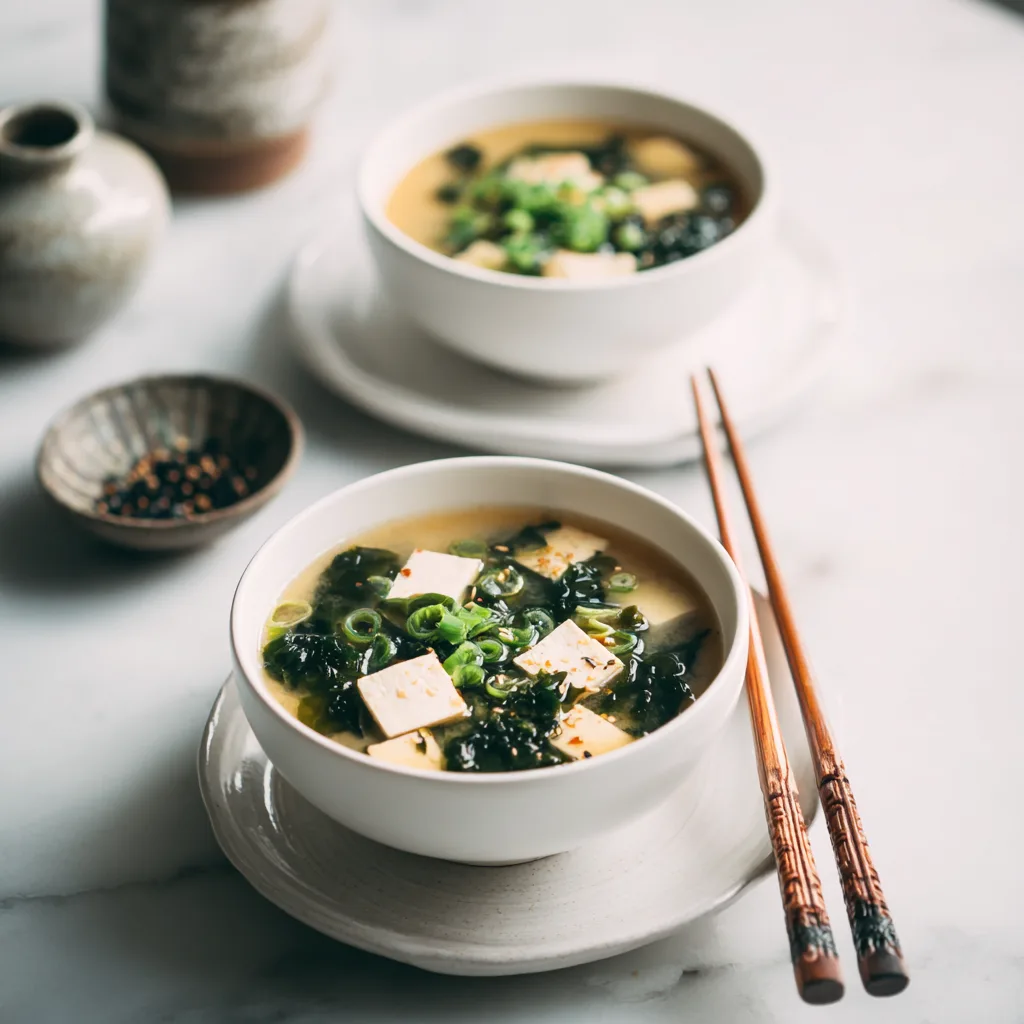
Miso soup is traditionally served in small bowls and sipped directly, with solid ingredients eaten using chopsticks. In Japan, the soup changes seasonally, reflecting local ingredients and family traditions. Many households have their own miso blend, passed down through generations.
Why This Recipe Works
This easy miso soup recipe is quick, reliable, and adaptable. It respects traditional technique while fitting modern schedules. With minimal prep and maximum flavor, it’s proof that simple cooking can still be deeply satisfying.
Easy Homemade Miso Soup with Tofu and Seaweed
Ingredients
Equipment
Method
- Heat water in a saucepan over medium heat and dissolve dashi granules.
- Add dried wakame and allow it to rehydrate.
- Gently add cubed tofu to the broth.
- Mix miso paste with warm broth until smooth, then stir into soup.
- Heat gently without boiling, then remove from heat.
- Garnish with sliced green onions and serve warm.