Traditional Greek Maroulosalata: A Celebration of Simplicity, Freshness, and Mediterranean Soul
In the world of Greek cuisine, not every iconic dish is heavy with feta or olives, and not every salad is built on tomatoes and cucumbers. Traditional Greek Maroulosalata stands proudly in its own minimalist lane—a salad defined by restraint, purity, and the absolute respect for fresh ingredients. This is not a salad that shouts. It whispers. And in that whisper is centuries of culinary wisdom.
Maroulosalata is a staple on Greek tables, especially during the cooler months and early spring, when crisp romaine lettuce (known in Greece as marouli) is at its peak. You’ll find it served alongside grilled fish, roasted lamb, braised legumes, or even a simple omelet. It’s the kind of dish that never tries to steal the spotlight, yet feels deeply missed when it’s not there.
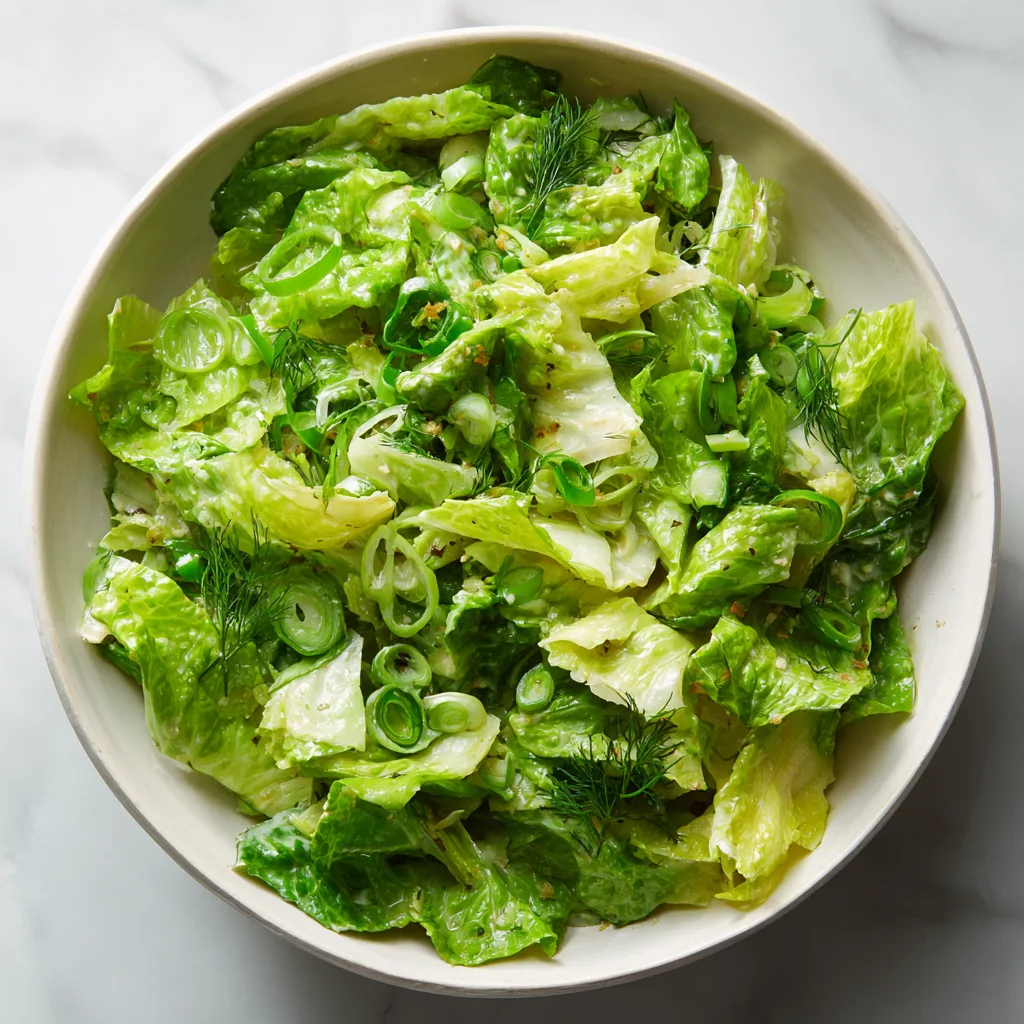
What makes authentic Greek Maroulosalata so special is not complexity, but balance. Crunchy lettuce ribbons, aromatic fresh dill, gentle sharpness from green onions, and a bright lemon–olive oil dressing that coats rather than drowns. No vinegar. No sugar. No unnecessary extras. Just honest, nourishing food.
This article will guide you through everything you need to know about making the most authentic version of this beloved Greek lettuce salad—from cultural roots and ingredient selection to expert tips that Greeks pass down instinctively rather than write down. By the end, you won’t just know how to make Maroulosalata—you’ll understand it.
The Cultural Heart of Maroulosalata
In Greece, salads are not an afterthought. They are a daily ritual. Maroulosalata, in particular, represents the Greek philosophy of less is more. Historically, it was a practical dish—made with ingredients that were affordable, seasonal, and accessible to nearly every household.
Because it contains no tomatoes, Maroulosalata is especially popular in winter and early spring, when tomatoes are out of season and flavorless. It also aligns perfectly with Greek Orthodox fasting periods, when animal products are often avoided. Simple, plant-based, and nourishing, this salad fits seamlessly into both everyday meals and religious traditions.
Greek home cooks don’t measure when making Maroulosalata. They taste, adjust, and trust their instincts. This recipe translates that intuition into approachable steps while honoring the soul of the dish.
Ingredients for Traditional Greek Maroulosalata
Use the freshest ingredients you can find. Because there are so few components, quality matters immensely.
Ingredients:
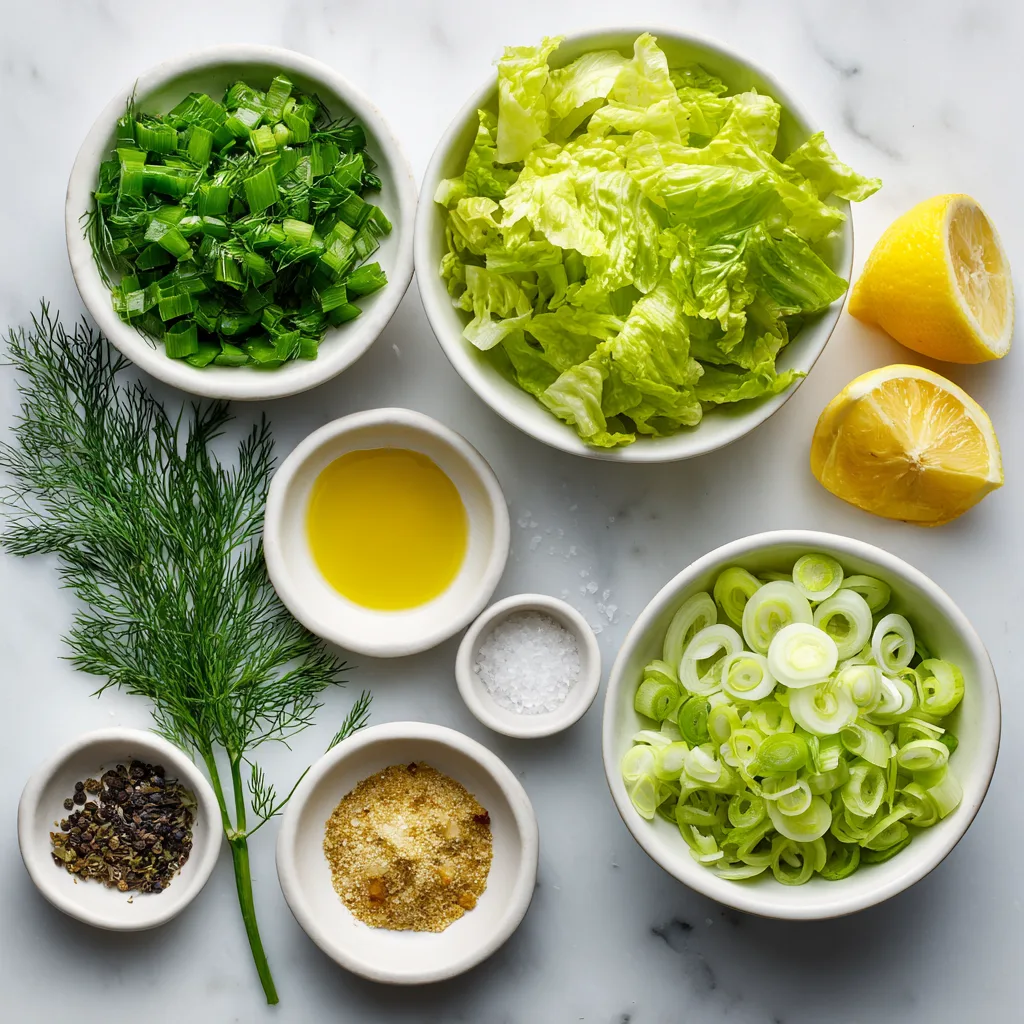
- Romaine lettuce (crisp, fresh, and cold)
- Fresh dill (finely chopped)
- Green onions (thinly sliced, white and green parts)
- Extra virgin olive oil (Greek if possible)
- Fresh lemon juice
- Sea salt
- Freshly ground black pepper
That’s it. No garlic. No vinegar. No cheese. Authentic Maroulosalata relies on clarity of flavor, not embellishment.
Instructions: How to Make Authentic Maroulosalata
- Prepare the lettuce:
Wash the romaine lettuce thoroughly and dry it completely. Excess water will dilute the dressing. Slice the lettuce into thin ribbons using a sharp knife. - Chill for extra crunch (optional but traditional):
Place the sliced lettuce in the refrigerator for 10–15 minutes. Greeks love their Maroulosalata ice-cold and crisp. - Add the aromatics:
Transfer the lettuce to a large serving bowl. Add the finely chopped fresh dill and sliced green onions. - Season gently:
Sprinkle the salad lightly with sea salt and freshly ground black pepper. Start small—you can always add more. - Dress simply:
Drizzle with high-quality extra virgin olive oil, followed by fresh lemon juice. The ratio should favor olive oil, with lemon providing brightness rather than sharpness. - Toss with care:
Using clean hands or salad tongs, gently toss the salad until every ribbon of lettuce is lightly coated. Avoid bruising the leaves. - Taste and adjust:
Taste and adjust seasoning if needed. Serve immediately for maximum freshness and crunch.
Why Olive Oil Matters So Much
In Maroulosalata, olive oil isn’t just a dressing—it’s a core flavor. A peppery, fruity extra virgin olive oil transforms the salad from simple to unforgettable. In Greece, families often use their own olive oil, harvested from trees passed down through generations. While that may not be accessible to everyone, choosing a good-quality olive oil will make a noticeable difference.
Avoid mild or flavorless oils. This salad needs character.
Tips for Perfect Maroulosalata Every Time
- Dry lettuce completely: Water is the enemy of flavor here.
- Slice, don’t chop: Thin ribbons create better texture and mouthfeel.
- Use your hands: Tossing by hand helps distribute dressing evenly without crushing the lettuce.
- Serve immediately: Maroulosalata does not like to sit. It’s meant to be eaten fresh.
- Keep it cold: A chilled bowl enhances crispness and refreshment.
Variations You’ll Find in Greek Homes
While the classic version is sacred, some families make subtle regional or personal adjustments:
- With feta (modern variation): A small crumble of feta for richness.
- With cucumber: Thinly sliced cucumber adds extra crunch.
- With romaine hearts only: For an ultra-crisp texture.
- With olive oil and lemon only: No pepper, no extras—pure and clean.
These variations are common, but purists will tell you that dill is non-negotiable in a true Maroulosalata.
What to Serve with Maroulosalata
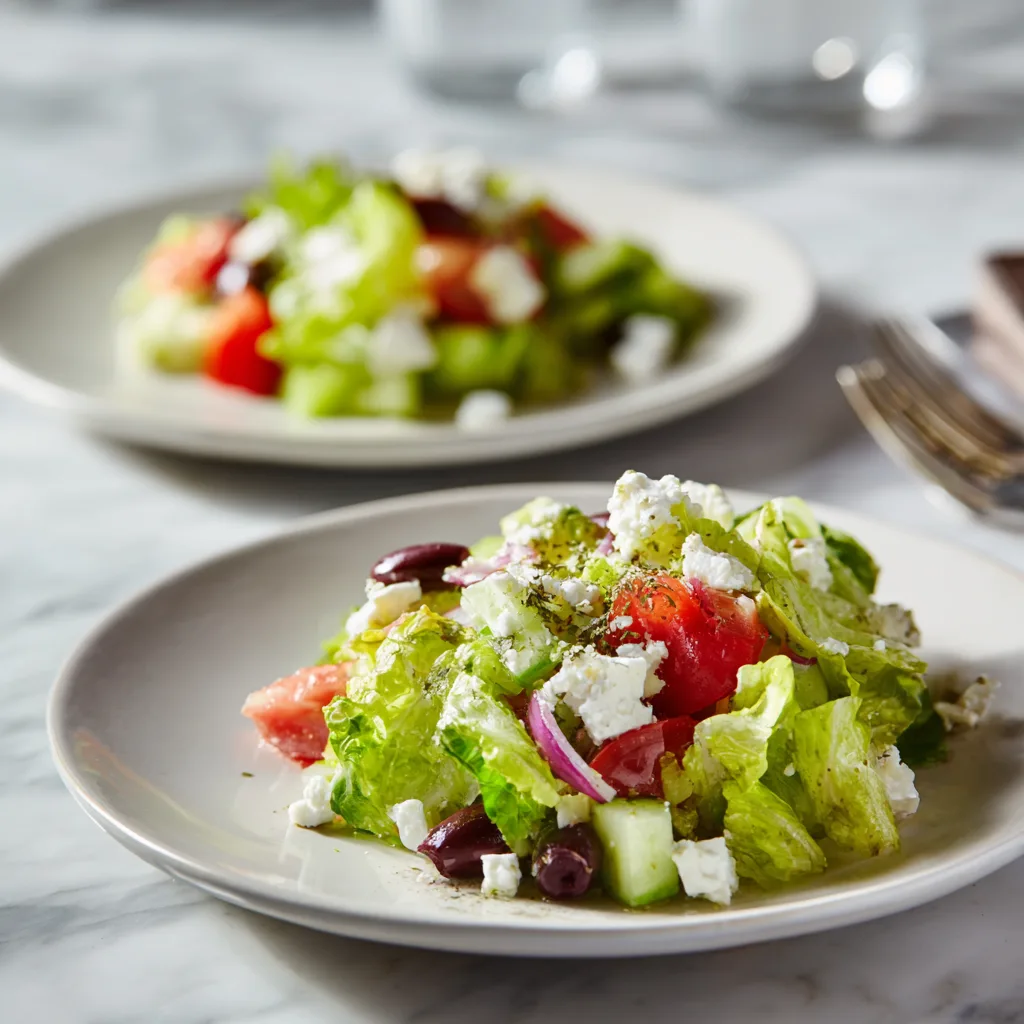
This salad shines as a side dish and pairs beautifully with:
- Grilled fish or seafood
- Roast chicken or lamb
- Lentil soup or chickpea stews
- Spanakopita or other savory pies
- Simple omelets or fried eggs
It also works as a refreshing counterbalance to richer, slow-cooked dishes.
Nutritional Benefits
Maroulosalata is naturally low-calorie, high in fiber, and rich in antioxidants. Romaine lettuce provides vitamins A and K, while olive oil contributes heart-healthy fats. Lemon juice aids digestion, and dill offers subtle anti-inflammatory properties. This is nourishment without heaviness—one of the hallmarks of Mediterranean eating.
A Salad That Reflects Greek Philosophy
At its core, Traditional Greek Maroulosalata reflects a deeper cultural truth: good food doesn’t need to be complicated. When ingredients are respected and handled with care, even the simplest salad can feel complete.
This dish invites you to slow down, to taste each bite, and to appreciate freshness in its purest form. Whether you’re preparing a full Greek feast or just need something light and grounding, Maroulosalata belongs on your table.
Once you make it the Greek way, you may never look at lettuce salad the same again.
Traditional Greek Maroulosalata
Ingredients
Equipment
Method
- Wash and thoroughly dry the romaine lettuce. Slice into thin ribbons.
- Place the lettuce in a large mixing bowl. Add chopped dill and sliced green onions.
- Season lightly with sea salt and freshly ground black pepper.
- Drizzle with extra virgin olive oil and fresh lemon juice.
- Gently toss until evenly coated. Taste and adjust seasoning if needed.
- Serve immediately while crisp and fresh.