Perfect Prime Rib: Juicy, Tender & Holiday-Worthy
When it comes to show-stopping centerpieces for a festive table, nothing rivals a perfectly cooked prime rib. This luxurious cut of beef is known for its rich marbling, deep flavor, and melt-in-your-mouth tenderness. Whether you’re preparing a Christmas feast, New Year’s dinner, or a special family gathering, mastering the perfect prime rib recipe will elevate your cooking to a whole new level.
In this comprehensive guide, you’ll learn exactly how to cook a juicy prime rib roast with a beautifully crisp crust and a perfectly pink interior. Even if you’ve never cooked a roast this size before, don’t worry—this step-by-step method ensures consistent, restaurant-quality results every time.
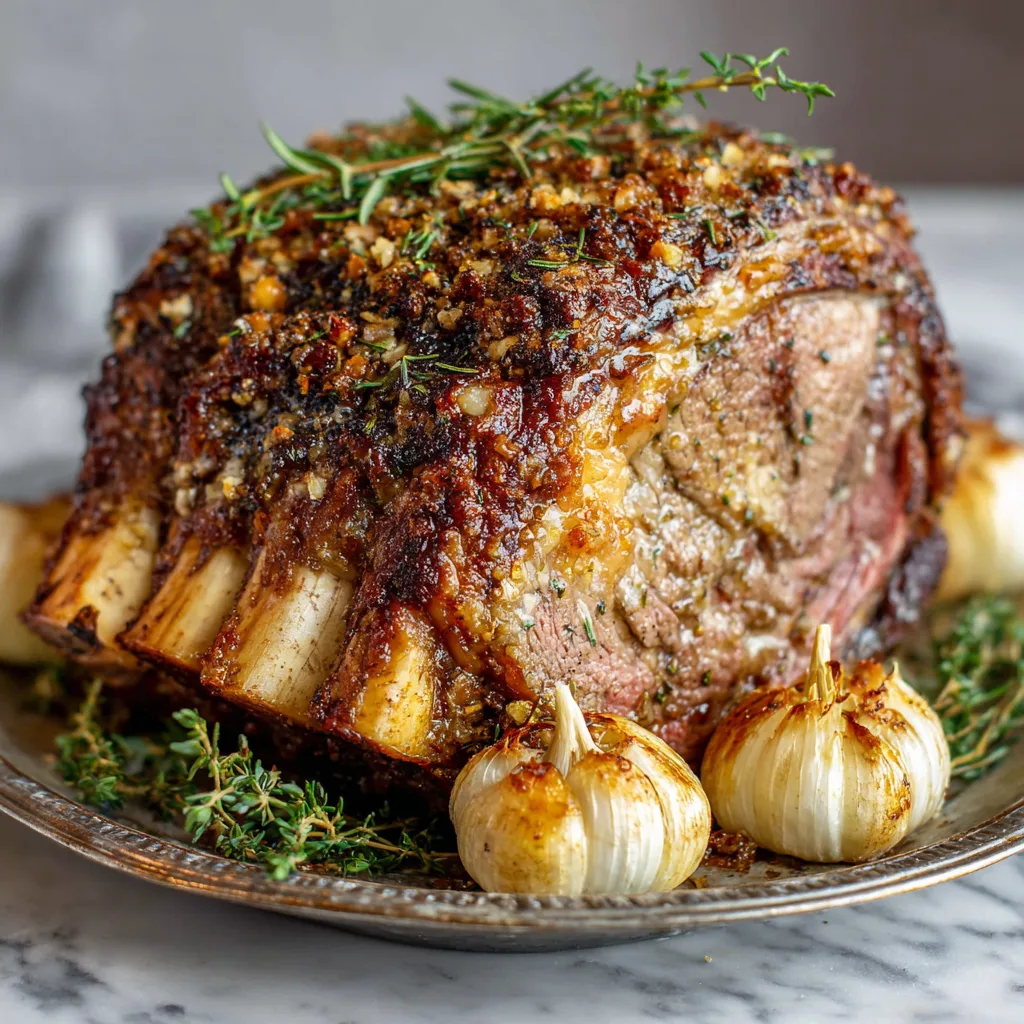
Why Prime Rib Is the Ultimate Holiday Roast
Prime rib, also known as a standing rib roast, comes from the rib section of the cow. It’s prized for its tenderness and flavor thanks to generous marbling. Unlike leaner cuts, this fat content keeps the meat moist during roasting, making it forgiving and incredibly delicious.
What makes it truly special is its versatility—you can season it simply with salt and pepper or elevate it with herbs, garlic, and butter for a gourmet finish.
Ingredients
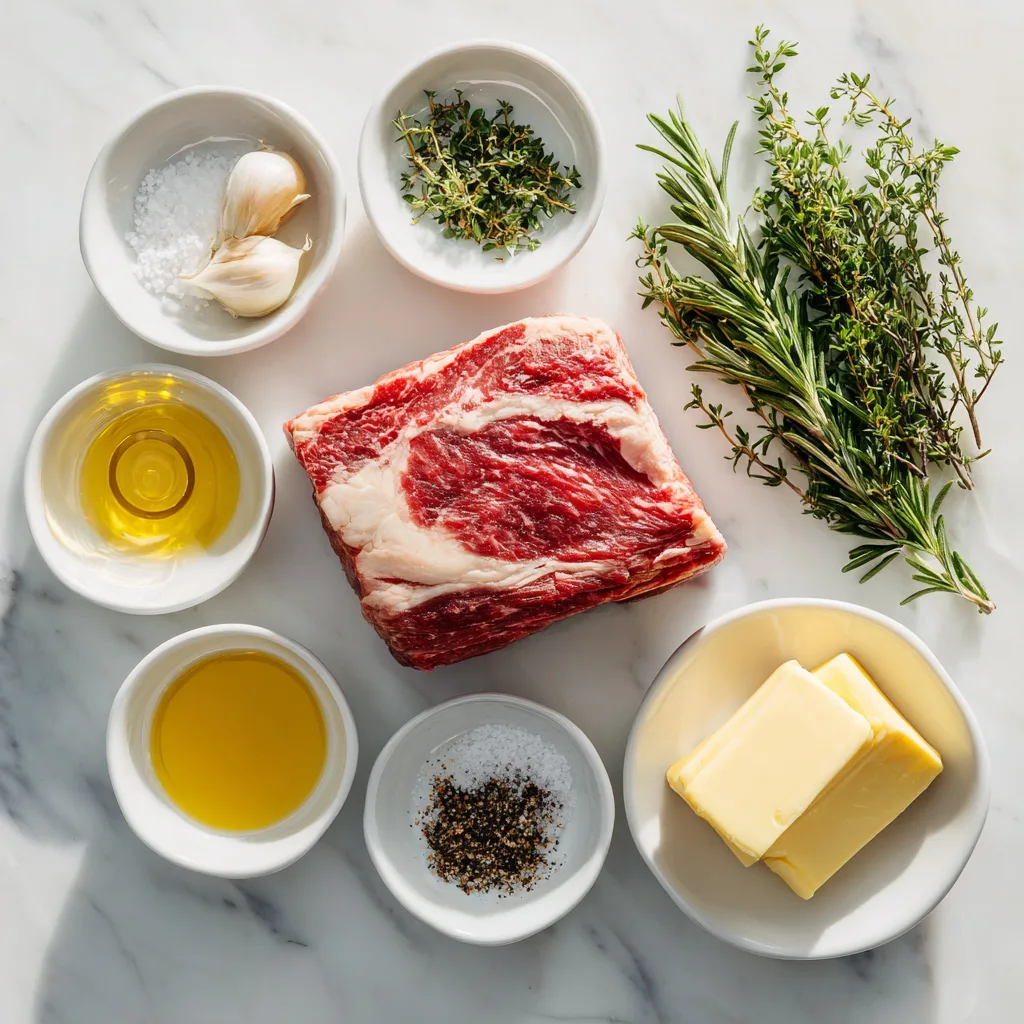
- 1 (4–6 pound) bone-in prime rib roast
- 2 tablespoons olive oil
- 4 cloves garlic, minced
- 2 tablespoons fresh rosemary, finely chopped
- 2 tablespoons fresh thyme leaves
- 2 teaspoons coarse salt
- 1½ teaspoons black pepper
- 2 tablespoons unsalted butter, softened
- Optional: horseradish sauce for serving
- Optional: au jus (pan drippings)
Instructions
- Bring the roast to room temperature
Remove the prime rib from the refrigerator at least 2 hours before cooking. This step ensures even cooking throughout the roast. - Preheat the oven
Set your oven to 450°F (230°C). This high temperature will help create a flavorful crust. - Prepare the herb rub
In a small bowl, mix olive oil, garlic, rosemary, thyme, salt, and pepper into a paste. - Season the roast
Pat the prime rib dry with paper towels. Rub the herb mixture all over the roast, ensuring even coverage. Finish by spreading the softened butter over the top. - Place in roasting pan
Set the roast bone-side down in a roasting pan. The bones act as a natural rack, allowing heat to circulate evenly. - Initial high-heat roast
Roast at 450°F (230°C) for 20 minutes to develop a golden, flavorful crust. - Lower the temperature
Reduce oven temperature to 325°F (165°C) and continue roasting. Cook until the internal temperature reaches:- 120–125°F for rare
- 130–135°F for medium-rare
- 140–145°F for medium
- Rest the meat
Remove the roast from the oven and tent loosely with foil. Let it rest for 20–30 minutes. This allows juices to redistribute, ensuring maximum tenderness. - Slice and serve
Slice against the grain into thick portions and serve with au jus or horseradish sauce.
Pro Tips for the Perfect Prime Rib
1. Use a Meat Thermometer
A thermometer is essential for precision. Prime rib can quickly go from perfect to overcooked without accurate temperature monitoring.
2. Don’t Skip the Resting Time
Resting is crucial—it locks in juices and prevents dryness when slicing.
3. Season Generously
Because prime rib is a large cut, it needs ample seasoning to enhance its natural flavor.
4. Bone-In vs Boneless
Bone-in roasts provide more flavor and insulation during cooking, but boneless options are easier to carve. Both work well with this recipe.
Flavor Variations
Garlic Butter Crust
Add extra butter and roasted garlic for a richer, more indulgent crust.
Peppercorn Crusted Prime Rib
Use crushed peppercorns for a bold, steakhouse-style flavor.
Herb Dijon Prime Rib
Mix Dijon mustard into the herb paste for a tangy, savory twist.
Serving Suggestions
Prime rib pairs beautifully with classic side dishes that complement its richness:
- Creamy mashed potatoes
- Roasted vegetables (carrots, Brussels sprouts, or asparagus)
- Yorkshire pudding
- Fresh green salad with vinaigrette
For sauces, consider:
- Au jus made from pan drippings
- Horseradish cream
- Red wine reduction
How to Store and Reheat
Storage
Wrap leftover prime rib tightly and store in the refrigerator for up to 4 days.
Reheating
To keep it juicy, reheat slices gently in a low oven (around 250°F) with a splash of broth or au jus. Avoid microwaving, as it can dry out the meat.
Make-Ahead Tips
- Season the roast the night before and refrigerate uncovered for enhanced flavor.
- Prepare sauces and sides in advance to reduce stress on cooking day.
Common Mistakes to Avoid
Overcooking
Prime rib is best enjoyed medium-rare. Overcooking reduces its signature tenderness.
Skipping the Sear
The initial high heat is essential for developing a rich crust.
Cutting Too Soon
Slicing immediately after cooking will cause juices to run out, leaving the meat dry.
Fun Fact About Prime Rib
Despite the name “prime rib,” the cut doesn’t necessarily have to be USDA Prime grade. It refers to the section of the cow it comes from, not the quality grade—though higher grades do offer better marbling and flavor.
Why This Recipe Works
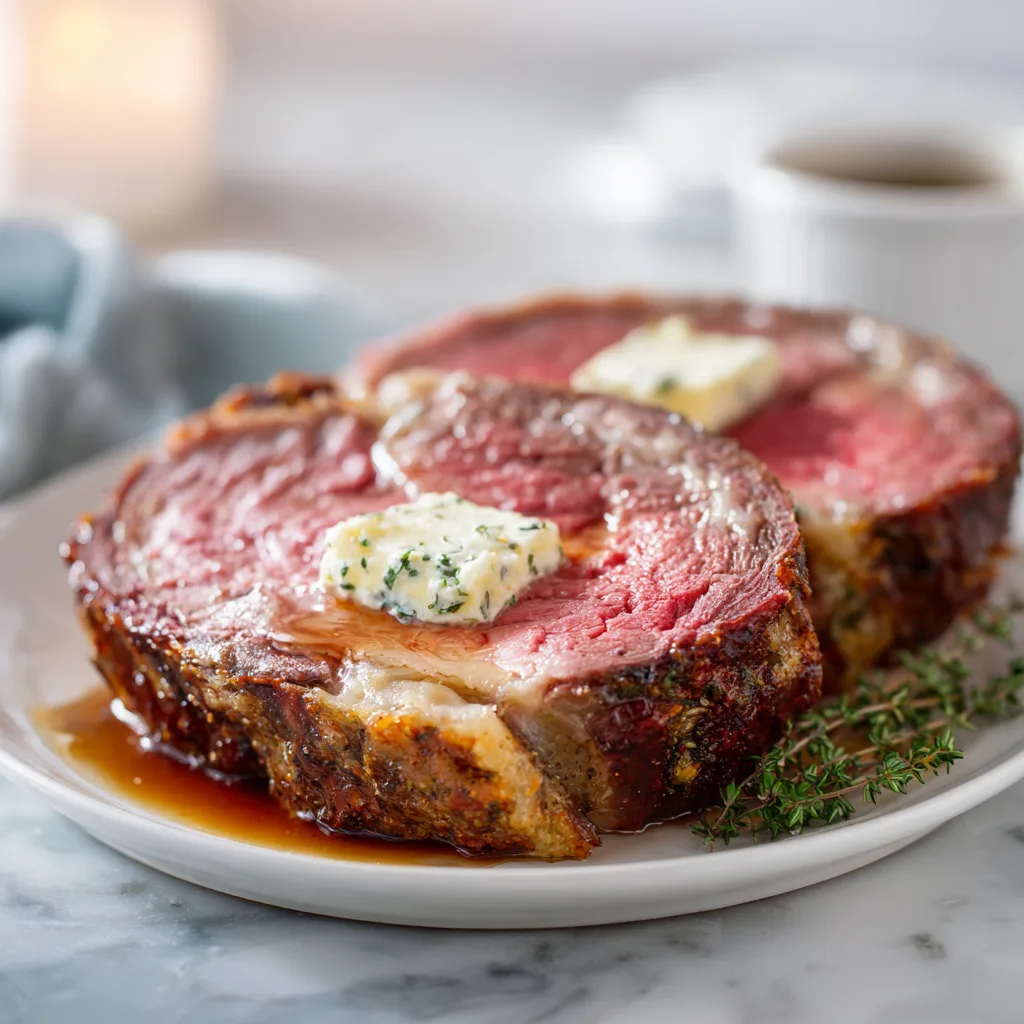
This method combines high-heat roasting with a slower finish, creating the perfect balance between a crispy exterior and a juicy interior. The herb butter crust enhances the natural richness of the beef without overpowering it.
Even beginners can achieve a flawless result by following the temperature guidelines and resting time.
Final Thoughts
A perfect prime rib roast isn’t just a meal—it’s an experience. The aroma filling your kitchen, the anticipation as you slice into the roast, and the satisfaction of serving a beautifully cooked centerpiece make it unforgettable.
Whether you’re hosting a holiday dinner or celebrating a special occasion, this juicy, tender, and holiday-worthy prime rib will impress every guest at your table.
Perfect Prime Rib – Juicy, Tender & Holiday-Worthy
Ingredients
Equipment
Method
- Bring roast to room temperature for 2 hours.
- Preheat oven to 450°F.
- Mix oil, garlic, herbs, salt, and pepper.
- Rub mixture over roast and coat with butter.
- Place roast bone-side down in pan.
- Roast 20 minutes at high heat.
- Reduce to 325°F and cook until desired doneness.
- Rest 20–30 minutes before slicing.