Irish Potato Farl: A Timeless Irish Comfort Bread
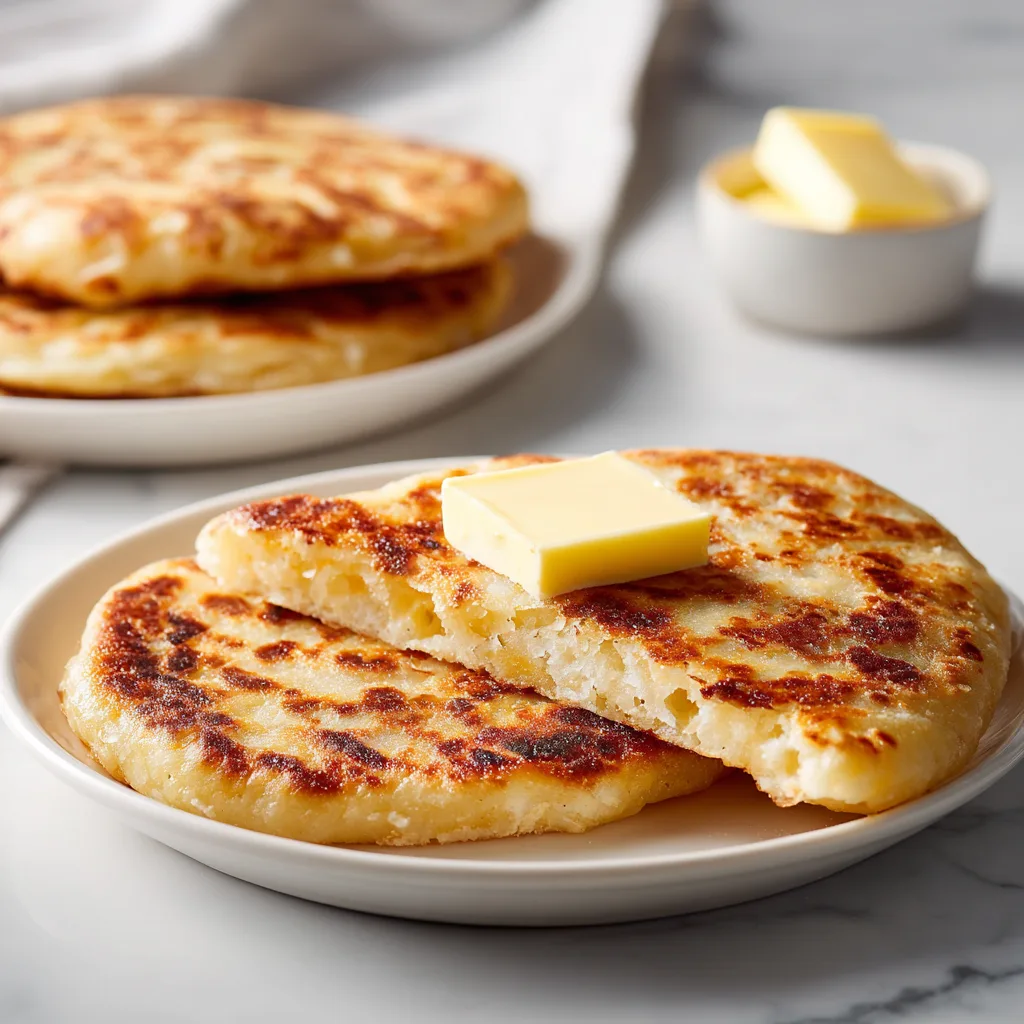
Irish Potato Farl is one of those beautifully simple foods that tells a story with every bite. Born from necessity, tradition, and frugality, this iconic Irish potato bread has been warming kitchens and filling plates for centuries. Crisp on the outside, tender and fluffy on the inside, potato farls are a cornerstone of the classic Irish breakfast and a beloved comfort food far beyond Ireland’s shores.
Unlike yeast breads or baked loaves, Irish Potato Farl is cooked on a griddle or skillet, making it incredibly approachable for home cooks. With just a handful of humble ingredients — potatoes, flour, salt, and butter — this recipe proves that great food doesn’t need to be complicated to be deeply satisfying.
Whether you’re honoring Irish heritage, recreating a pub-style breakfast at home, or simply looking for a rustic bread alternative that’s quick and versatile, Irish Potato Farl deserves a place in your kitchen.
What Is Irish Potato Farl?
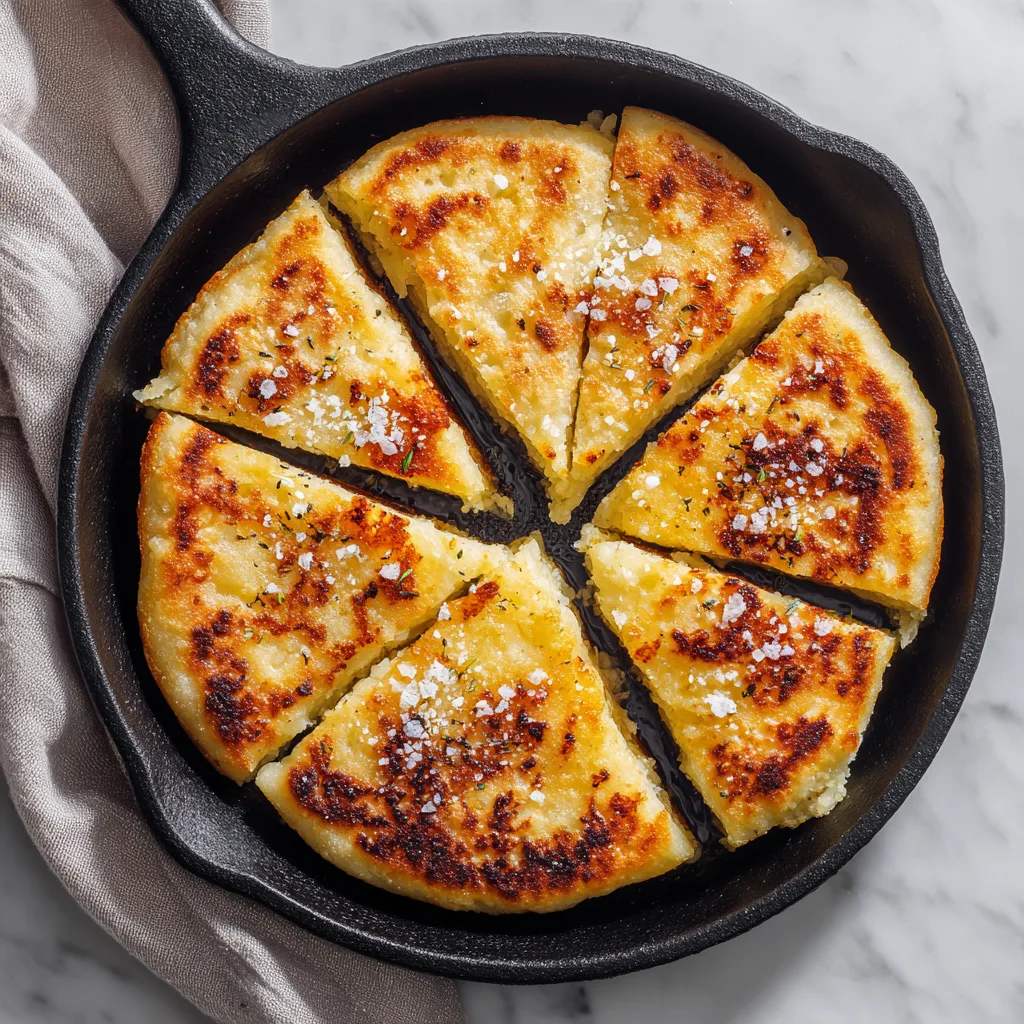
The word farl comes from the Scots and Irish term fardel, meaning “fourth.” Traditionally, the dough is shaped into a round and cut into four triangular quarters before cooking. These wedges are then pan-cooked until golden, forming a crisp exterior while staying soft inside.
Irish Potato Farl differs from boxty and soda bread, though they share similar roots. Potato farls rely on cooked, mashed potatoes rather than raw grated potatoes or baking soda for lift. The result is a flatter bread that’s hearty, comforting, and endlessly adaptable.
Why Irish Potato Farl Has Endured for Generations
Potatoes became a staple crop in Ireland in the late 16th century, prized for their ability to thrive in poor soil and feed large families. Irish cooks quickly found creative ways to stretch leftover potatoes, and potato farls were one of the most practical solutions.
This bread required no oven, no yeast, and no long resting times. It could be made fresh in minutes and cooked over an open hearth or cast iron griddle. Even today, that same simplicity is part of its charm.
Ingredients
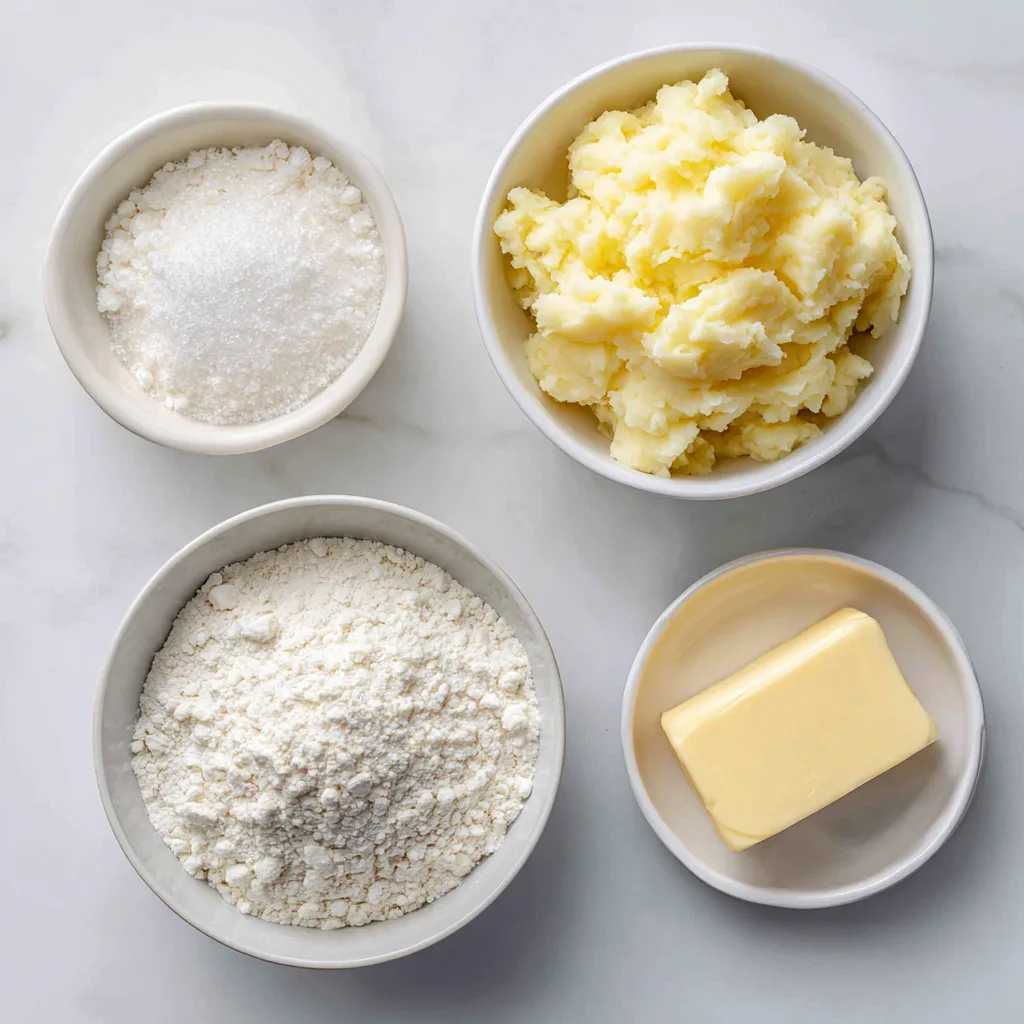
- 2 cups mashed potatoes (cooled, no added milk)
- 1 cup all-purpose flour, plus extra for dusting
- 1 tsp fine sea salt
- 2 tbsp unsalted butter, melted
- Additional butter or oil for cooking
Instructions
- Place the cooled mashed potatoes into a large mixing bowl and break them up with a fork until smooth and lump-free.
- Add the flour and salt to the potatoes and mix gently until a soft dough forms.
- Drizzle in the melted butter and continue mixing just until combined. Avoid overworking the dough.
- Turn the dough out onto a lightly floured surface and gently knead for 30–60 seconds until cohesive.
- Shape the dough into a flat round about 1 inch thick.
- Use a knife or bench scraper to cut the round into four equal wedges (farls).
- Heat a cast iron skillet or griddle over medium heat and lightly grease with butter or oil.
- Place the farls onto the hot surface and cook for 4–5 minutes per side, or until golden brown and cooked through.
- Remove from the skillet and serve warm with butter or your favorite toppings.
Tips for Perfect Potato Farls
Use Dry Mashed Potatoes:
Avoid adding milk or cream to your potatoes. Moisture makes the dough sticky and difficult to handle.
Don’t Over-Knead:
A light touch keeps the farls tender. Overworking can make them dense.
Control the Heat:
Medium heat is ideal. Too hot and the outside burns before the inside cooks.
Cast Iron Is Best:
A cast iron skillet delivers the best crust and even browning.
Delicious Variations
Cheddar Potato Farls:
Mix in ½ cup finely grated sharp cheddar for a cheesy twist.
Herb-Infused Farls:
Add chopped chives or parsley for fresh flavor.
Whole Wheat Potato Farls:
Replace half the flour with whole wheat flour for a nuttier taste.
Garlic Butter Farls:
Brush with garlic butter just before serving for extra richness.
Serving Suggestions
Irish Potato Farls are famously part of a full Irish breakfast, served alongside eggs, sausages, bacon, and grilled tomatoes. But their versatility goes far beyond breakfast.
- Serve with soups and stews instead of bread
- Top with smoked salmon and crème fraîche
- Use as a base for open-faced sandwiches
- Enjoy warm with honey or jam for a sweet twist
Cultural Significance in Irish Cuisine
Potato farls are more than food — they’re tradition. In Northern Ireland especially, they are considered essential breakfast fare. Families often pass down their own versions of the recipe, adjusting flour ratios or cooking times by feel rather than measurement.
This recipe honors that tradition while remaining accessible to modern home cooks.
Storage and Reheating
Potato farls are best enjoyed fresh, but leftovers can be stored in an airtight container in the refrigerator for up to 3 days. Reheat in a skillet over low heat until warmed through. Avoid microwaving, as it softens the exterior.
Final Thoughts
Irish Potato Farl is proof that simplicity can be extraordinary. With minimal ingredients and maximum comfort, this timeless bread bridges history and modern kitchens with ease. Once you try it, you’ll understand why it has endured for generations.
Irish Potato Farl
Ingredients
Equipment
Method
- Mix mashed potatoes, flour, salt, and melted butter until a soft dough forms.
- Turn dough onto floured surface and gently knead.
- Shape into a round and cut into four wedges.
- Cook on a greased skillet over medium heat until golden on both sides.